
Scientific priorities for alternative proteins: a Brazilian implementation agenda.
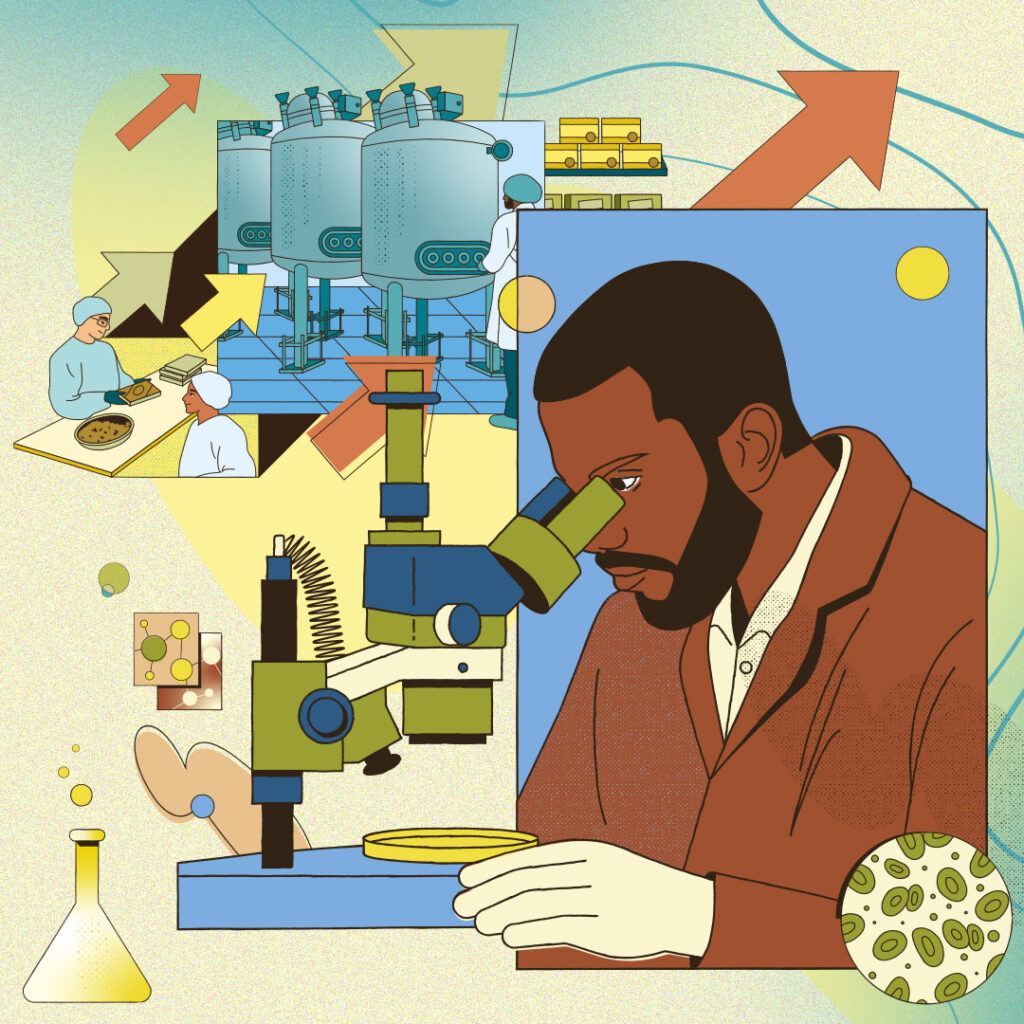
What research priorities are strategic for Brazil to generate national value and global impact? This question guided the event “Scientific Priorities for Alternative Proteins: from technological challenges to opportunities for Brazil”, held by GFI Brazil on October 7th. The meeting presented an integrated vision of the advancements needed for alternative proteins to gain competitiveness in cost, scale, and sensory experience. The experts from GFI Brazil detailed priorities for plant-based proteins, cultivated meat, and fermentation. https://youtu.be/Kbz-m-KufW0 A Embrapa Suínos e Aves mostrou como um investimento inicial ajudou a criar uma nova linha de pesquisa. Representatives from the Araucária Foundation and FAPESC discussed funding avenues, training, infrastructure, and connections with the productive sector. The discussion stemmed from a practical understanding of national scientific sovereignty: developing within the country the necessary capabilities to transform raw materials, biodiversity, infrastructure, and local knowledge into strategic solutions. This requires aligned choices between Brazilian strengths and global challenges so that the knowledge produced here can also become global solutions. From technological barriers to research priorities: The technological roadmaps developed by GFI organize the scientific agenda based on three barriers to be overcome by the sector: cost, scale, and sensory performance. For each challenge, the work identifies potential research and development solutions and the scientific questions that need to be addressed to make them viable. Priorities are distributed across five, ten, and fifteen-year timeframes, keeping pace with the increasing complexity of the products. In the short term, the focus is mainly on ingredients, milled and restructured products, and combinations between different platforms. In the long term, the research should allow for more complex cuts and parts. To construct a Brazilian agenda, this global mapping is combined with four national dimensions: the country's scientific and productive strengths; strategies and public policies; and the needs of industry and consumers. This approach allows us to transform broad themes into research questions, projects, calls for proposals, and partnerships that are more connected to opportunities in Brazil. The new technological roadmaps and the national scientific agenda are scheduled to be published in 2027. Scientific sovereignty begins with assets that Brazil already possesses. Brazil has capabilities that can support a differentiated contribution to the sector. These include the large-scale production of soybeans, corn, beans, sugarcane, and oilseeds; the availability of biomass and co-products; expertise in fermentation, ethanol, enzymes, and industrial biotechnology; and a network comprised of Embrapa, universities, Scientific, Technological, and Innovation Institutions (ICTs), and companies. Alternative proteins also align with national agendas related to food diversification, bioindustry, biomanufacturing, circular economy, and adding value to agro-industrial production. Therefore, they can serve as a platform for transforming development guidelines into concrete R&D priorities. The scientific challenge lies in converting these assets into reproducible, scalable, and economically viable ingredients, processes, and technologies. Plant-based proteins: national ingredients, flavor, and lipid systems. In Graziele Karatay's presentation, three areas of focus were highlighted as priorities for plant-based proteins. And the opportunity to integrate different technological platforms in the development of hybrid products, combining a plant-based base with ingredients from other sources to incorporate specific functionalities. 1. Protein ingredients from national matrices: Research needs to connect the choice of raw material, the route of obtaining the ingredient, and its performance in the final application. Defatted soy flour, Brazilian bean varieties, and agro-industrial byproducts offer opportunities to develop less refined flours and concentrates with higher yields and lower processing intensity. Among the priorities are selecting matrices with technological potential, correlating composition, functionality and sensory profile, maximizing protein recovery, and validating batch consistency, reproducibility and scalability. The goal is to balance yield, functionality, flavor, processing intensity, and cost, without necessarily prioritizing the highest protein purity. 2. Neutralizing and building flavor: Controlling unwanted flavors from the raw material stage can expand the use of less refined, domestically produced ingredients. Research should identify compounds and precursors associated with off-flavors, develop physical and biological neutralization processes, and integrate instrumental analyses with sensory evaluation, relating the identified compounds to sensory perception in the product. The work also needs to advance in the construction of desirable notes and in controlling the retention and release of aromas during processing, storage, and preparation, reducing the reliance on masking agents and flavorings. 3. Functional lipid systems: Domestic vegetable oils and Brazilian expertise in emulsions, oleogels, and bigels can support the development of lipid systems capable of contributing to juiciness, thermal behavior, fat retention, and aroma release. Priorities include controlling the melting profile and fat retention during cooking, minimizing its separation from the matrix (oiling out), understanding the interactions between lipids, proteins, and aromatic compounds, and validating the oxidative stability and performance of these systems during processing, shelf life, and preparation. The integration between platforms also opens up opportunities for the development of hybrid products, which combine a plant-based base with fermentation ingredients, microbial biomass, or cellular ingredients, and can deliver specific functionalities without losing the scalability and cost advantages of plant-based matrices. The challenge is to identify in which applications and levels of inclusion these combinations add sensory and functional value without compromising cost, scale, and ease of processing. Cultivated meat: Input Efficiency and Application in Hybrid Products Amanda Leitolis presented a perspective on the evolution of ingredients produced through cell culture, highlighting that they should initially be included in hybrid products, at lower inclusion rates, to improve sensory attributes, until they evolve in the long term into more complex Cultivated meat products. This perspective changes one of the research questions in the short term: in addition to reducing the cost of cultivated biomass, it is necessary to determine the minimum quantity capable of producing a relevant sensory improvement. In the Brazilian context, studies on inputs, cellular metabolism, lower-cost media, and hybrid formulations can advance at accessible laboratory scales and generate pre-competitive data useful for future process and scaling decisions. The priorities presented were organized into two groups. 2. Cost and efficiency of culture media. In this area, the development of media without components of...
Opportunity Radar: Check out calls for proposals and funding opportunities in Alternative Proteins
The advancement of alternative proteins depends on science, scale, and investment. Although the sector has accumulated important lessons learned in recent years, there are still technological bottlenecks that need to be overcome to improve product quality, optimize production processes, reduce costs, and make these solutions more accessible to the population. In this context, public funding plays a crucial role: it helps reduce risks in the early stages of research and development, strengthens scientific infrastructure, and creates conditions for universities, ICTs, startups, and companies to transform knowledge into applied innovation. According to the report "Global Innovation Needs Assessment: Food System Methane," for the development of the alternative protein sector to occur and generate environmental and global health benefits, US$10,1 billion in annual investments are needed, with US$4,4 billion for research and development and US$5,7 billion for incentives to the private sector. Although the number of public and private funding calls dedicated exclusively to the sector is still limited, researchers, companies, and Scientific, Technological and Innovation Institutions (ICTs) can find relevant opportunities in calls focused on areas such as food innovation, bioeconomy, circular economy, biotechnology, alternative methods to the use of animals, and industrial development. This was the theme of the live event "Radar of Opportunities for Alternative Proteins," promoted by GFI Brazil, which brought together experts from the organization to present open and recent calls for proposals and discuss how different project profiles can connect to the priorities of these calls. The recording of the meeting is available at the end of this article. Opportunities for different project profiles During the live stream, experts Amanda Leitolis and Isabela Pereira highlighted that the first step in building a fundraising strategy is understanding that not every opportunity explicitly mentions alternative proteins. In many cases, adoption occurs through technological challenges related to ingredient development, new production processes, fermentation, sustainable agriculture, circular economy, or biotechnology. In other words, more important than finding a specific call for proposals for alternative proteins is identifying calls whose objectives are compatible with the stage of development of the technology and with the results expected by the project. Where are the opportunities for alternative proteins? Several calls for proposals cover strategic themes for the sector, such as: food innovation; bioeconomy; circular economy; fermentation; sustainable agriculture; biotechnology; alternative methods to the use of animals; industrial development. Therefore, understanding the objectives of each call for proposals, the alignment of the research, and the degree of innovation of the proposal is as important as fulfilling all the formal requirements. 1. Finep Mais Inovação Brasil – Sustainable Agro-industrial Chains The first opportunity presented during the live event was the call for proposals for Finep Mais Inovação Brasil – Round 2 – Sustainable Agro-industrial Chains. The call for proposals supports projects aimed at strengthening the national industry, with a focus on research, development, and innovation in food. Among the thematic areas, there are opportunities directly related to alternative proteins, including the development of technologies for Cultivated meat, such as food-grade culture media formulations free of fetal bovine serum. Who can participate? Brazilian companies; mandatory participation of ICTs as partners. Resources: Total budget of R$ 300 million; projects ranging from R$ 5 million to R$ 40 million, depending on the arrangement. Deadline: Continuous flow until September 30, 2026. 2. CNPq/MCTI Call for Proposals No. 11/2026 – RENAMA and NAMs Another highlighted opportunity was the CNPq call for proposals aimed at strengthening the National Network of Alternative Methods (RENAMA). Although not specifically focused on alternative proteins, it directly relates to research on cultivated meat and other technologies that rely on advanced cellular models. The call for proposals funds projects involving: New Methodological Approaches (NAMs); three-dimensional models based on human cells; microphysiological systems; computational methods; validation of technologies that are alternatives to the use of animals. Target audience: Institutions that are part of RENAMA. Resources: R$ 50 million. Deadline: Submissions closed on July 3, 2026. 3. Finep Mais Inovação Brasil – Circular Economy and Sustainable Cities The third opportunity presented shows how alternative proteins can engage with broader sustainability agendas. The call for proposals supports technological development projects focused on the circular economy, encouraging solutions that promote the addition, retention, and recovery of value in production processes. Projects related to the utilization of by-products, new ingredients, biomass reuse, and optimization of production chains may find fertilization in this call for proposals. Who can participate? Brazilian companies; mandatory partner ICTs. Resources: Total budget of R$ 150 million; projects ranging from R$ 5 million to R$ 30 million. Deadline: Continuous flow until August 31, 2026. 4. Coefficient Giving: An exclusive international call for alternative proteins. Of all the opportunities presented, this is the only one dedicated exclusively to research and development in alternative proteins. The organization Coefficient Giving plans to invest up to US$10 million in projects that reduce technical barriers for the sector. Priorities include: reducing off-flavors in plant-based and fermented proteins; developing lipid alternatives to improve flavor and texture; replacing eggs; and characterizing the flavors of fish species. Who can participate? The call is open to: universities; research institutes; companies; R&D organizations from any country. Resources: Between US$100 and US$1 million per project. Application deadline: August 10, 2026. More opportunities beyond the calls for proposals: During the live stream, the GFI Brazil team highlighted that new calls for proposals are continuously being released to the community. Some recent examples include: the Amazon Bioinnovation Challenge; the FAPEMIG/SEDE Call for Proposals No. 011/2026 – Compete Minas; and the CAPES Aurora Program, aimed at supporting the continued careers of mothers who are scientists. In addition to national calls for proposals, international opportunities and regional calls for proposals focused on research, entrepreneurship, and innovation are also shared. How GFI Brazil supports those seeking funding: GFI Brazil's support is not limited to publicizing opportunities. The organization works by connecting researchers, companies, and institutions, helping to identify strategic partners, providing guidance on the alternative protein ecosystem, and sharing technological priorities that can strengthen research and innovation proposals. During the live stream, a collaborative networking spreadsheet was also presented, created to connect participants interested in the same calls for proposals and encourage the formation of partnerships between universities, startups,
On World Food Safety Day, GFI Brazil presents studies on Cultivated meat and plant-based proteins

On World Food Safety Day, GFI Brazil presents two new technical studies that reinforce the importance of safety in the alternative protein sector. One of them provides an in-depth analysis of the risks and control measures in the production of plant-based foods similar to meat, including HACCP plans for hamburgers, chicken, sausages and plant-based fish. The other study, focused on Cultivated meat, proposes a food safety plan based on a pilot hamburger line, identifying hazards and gaps that require further research.
GFI Brazil holds Training Track on the alternative proteins sector. Register now!

GFI Brazil will launch the Training Track, a series of free online events between May and October, with the goal of training professionals for the alternative protein sector. The program includes technical and market workshops, focusing on innovation, science and industry trends. The first event will be on May 29 and will address cell culture media for Cultivated meat, in partnership with MCTI.
Looking for research funding? Check out GFI Brazil's new calls for proposals and submit your proposal by June 15th!

Aiming to take the national alternative protein industry to a new level, The Good Food Institute Brazil is launching two new calls for Directed Studies and inviting researchers from research institutions, startups, and companies to submit proposals—including partnerships! The first RFP (Request for Proposal) focuses on the use of agro-industrial by-products for fermentation and cell culture. The second approach, in turn, prioritizes obtaining an optimized protein ingredient from defatted soy flour. These two themes seek to strengthen the sector, reducing costs and expanding the production and marketing of plant-based products in Brazil with quality. Access the full notice through this link, and submit your proposal by June 15, 06, via email to ciencia@gfi.org. Learn the details of each line: Study to establish technological routes for the use of byproducts from agro-industrial chains for the production of alternative proteins through fermentation and cell culture. The main objective of this line is to evaluate the potential of production chains and the technical-economic feasibility of converting agro-industrial byproducts – such as sugarcane, corn, and oranges. Furthermore, the selected project must propose actions to engage researchers, industries, the public sector and regulators. Check out the specific objectives: 1. Identify by-products in the main production chains and select at least two with the greatest potential for use, considering technological feasibility and existing barriers. 2. Develop technological roadmaps for at least two chains, categorizing conversion technologies by scale, cost and resource use, with flowcharts focused on production by fermentation or Cultivated meat. Study to Identify Technological Routes for Obtaining Optimized Protein Ingredient from Defatted Soy Flour This call aims to improve the flavor and cost-effectiveness of meat analogues produced with an optimized ingredient obtained from defatted soy flour, a raw material with great versatility and potential for scaling in the Brazilian scenario. Understand the specific goals: 1. Improve the sensory and nutritional profile of defatted soy flour, analyzing how different technologies affect its technofunctional properties. 2. Understand the properties of this input, in order to guide its ideal application in different formulations. 3. Develop a roadmap focusing on scalable technologies that are compatible with the national production reality, comparing the economic viability of these innovations. Application Instructions Proposals must focus on solutions for the industry, with attention to technical and financial feasibility during execution. Send your project in PDF format to ciencia@gfi.org by June 15, 06. The results will be released by 01/07/2025. The project is scheduled to begin in October 2025. Why sign up? These calls are a strategic opportunity for research centers, companies, and universities to help transform the plant-based and cultivated meat sector in Brazil, strengthening the country's position in offering more competitive, affordable, and nutritious products. To learn more about the submission details, access the call! If you have any questions, please contact our team: ciencia@gfi.org.
New food sources and production systems: key findings from the FAO 2023 report

The Food and Agriculture Organization of the United Nations (FAO) recently released the report of the 2023 Food Security Prospective Technical Meeting on New Food Sources and Production Systems, which took place in November of the same year. This meeting was attended by global experts, including Graziele Karatay, Science and Technology Specialist at GFI Brazil, to discuss the challenges and opportunities related to plant-based food safety, precision fermentation technologies, and 3D food printing. The document summarizes the existing literature on these new food sources and production systems, addressing both food safety risks and other relevant aspects, such as nutritional characteristics, environmental impacts and consumer perception. 1. Food Safety Issues This topic has emerged as one of the main points of discussion in the development of new foods and production systems and the main points highlighted in the report in the three areas are: Plant-based Food safety hazards are similar to those of conventional foods. Consumers may mistakenly consider uncooked products to be safe. Proper food safety management can significantly reduce risks such as pathogenic and spoilage microorganisms and chemical contaminants. Precision fermentation The production steps are generally well known and controlled. Potential hazards: growth of pathogenic microorganisms, chemical contaminants, allergenicity. Strict strain selection, proper monitoring, and adherence to food safety guidelines can reduce risks. 3D Food Printing Key Factors to Prevent Microbial Growth: Parameters for Printing, Processing, Storage, and Formulation Conditions of Input Ingredients. The hygienic design of the equipment is critical to prevent leaching (the process by which unwanted substances, such as contaminants, are transferred from the equipment, in this case the printer, to the food). 2. Plant-based Nutritional Characteristics Possible health benefits: improved cardiometabolic markers and gut health. Possible nutritional deficiencies: vitamin B12 and certain amino acids (such as methionine and cysteine, in the case of legume-based foods). Precision fermentation can alter the properties of native products (e.g. reduce allergenicity and increase bioavailability) or produce new products. 3D Food Printing Precise dosing of various ingredients or nutrients can help meet individual nutritional needs. 3. Plant-based Environmental Aspects Plant-based foods may have a smaller environmental footprint than animal-based foods, but direct comparisons are complex. Precision fermentation Lower environmental impact compared to conventional dairy (e.g. methane and agrochemical emissions). Food production in closed and controlled environments is not affected by weather conditions. High electricity consumption. 3D food printing The environmental sustainability aspects of 3D food printing remain unexplored. 4. Plant-based Consumer Perception Consumer interest in trying plant-based foods. Perception of being “highly processed”. Reducing costs and increasing product diversity will improve consumer adoption. Precision Fermentation Consumer willingness to try products with ingredients made by precision fermentation. Safety, nutrition, taste and environmental impacts are fundamental to consumer acceptance. 3D Printing Food Consumer perceptions are influenced by a lack of knowledge about 3D printed foods and technical terminology (e.g., seen as “unnatural” and “synthetic”). Conclusion The FAO report offers a comprehensive overview of the advances and challenges in the production of plant-based foods, obtained through precision fermentation and 3D printing, reaffirming the importance of robust regulations, continuous development, and clear communication with consumers. GFI Brazil continues to monitor these advances to ensure that these innovations can be widely implemented safely and with clear benefits for both the environment and public health. Access the full report here. FAO also produced a series of 4 videos based on interviews with experts during the technical meeting. Check out the playlist on YouTube. https://www.youtube.com/watch?v=1N7KhFl5bD8&list=PLzp5NgJ2-dK7OoCcSAP-tyVzmuiCsEo8G&index=5
New study by GFI Brazil explores the potential of applying algae in alternative protein products

GFI Brazil has just launched the technical publication “Potential for Application of Algae in Alternative Protein Products”, bringing an unprecedented contribution to the national scenario. As it is the first publication in Brazil on the subject, it offers a comprehensive and detailed review of the available literature, contextualizing the reader on the relevance and potential of algae in the food sector and as innovative ingredients in the production of alternative protein products. Designed for readers who are just getting familiar with the topic and for those seeking a more in-depth knowledge, the study is divided into two main parts: the first is dedicated to providing a solid foundation on the topic, addressing the classification of algae, cultivation and collection methods, as well as conventional food uses and food safety issues, highlighting how algae can be integrated into the narrative of alternative proteins. The second part of the study explores the nutritional and technological potential of algae, highlighting their functional properties that make them a promising source of ingredients for plant-based products. Furthermore, the sustainability aspects associated with the use of algae are discussed. The publication also identifies several research opportunities, encouraging the exploration of algae as key ingredients for the creation of new products in the alternative protein market. It was designed not only for scientists and researchers, but also for market professionals, offering a complete overview of the technological, nutritional and sustainable advantages that algae can provide. Results: The results presented reveal that algae have great potential as a source of alternative proteins, with the capacity to contribute significantly to the sustainability and diversification of food production. In addition to their benefits to human health, algae have functional and technological properties that make them a promising and versatile source for the production of healthier and more sustainable foods. Proteins are essential in the formulation of plant-based foods similar to meat, not only for their nutritional value, but also for their technological functionalities. Algae are a viable source of protein, with an essential amino acid composition that meets FAO requirements, comparable to other sources such as soy and egg. Microalgae, in particular, can contain between 40-60% protein (dry basis), offering essential amino acids and nutritional and functional properties, such as low allergenicity and good digestibility. Furthermore, they have ideal physicochemical properties for various applications, including solubility, emulsification, gelation and foaming. Some macroalgae can be used as salt substitutes in foods, helping to reduce sodium content, and their pigments, such as carotenes and xanthophylls, are widely used as colorants in the food industry. The production of algae as a source of protein has several advantages over other plant sources. Algae have faster growth and production, greater photosynthetic efficiency, low water consumption and do not compete for arable land. Furthermore, they have a low lignin content, facilitating extraction, and can store carbon, contributing to sustainable production. With oceans and seas covering more than 70% of the Earth's surface, there is vast potential for sustainable cultivation and large-scale harvesting of seaweed. Access the publication
Alt Protein Project continues to grow in Latin America!

We are proud to announce the addition of new university groups to the Alt Protein Project, reinforcing our mission to accelerate the development of alternative proteins worldwide. This year, four new institutions in Brazil, one in Argentina and one in Chile are joining the movement: Brazil: Argentina: Chile: These new groups join the pioneers from Unicamp (SP) and UFMG (MG), who have been part of the project since last year, further expanding our network of young leaders and researchers committed to a more sustainable food future. What is the Alt Protein Project? The Alt Protein Project is a global initiative led by The Good Food Institute that aims to empower university students and researchers to become leaders in the field of alternative proteins. Founded in 2020, the project began as a community connected by five universities and has since grown to encompass more than 50 groups in several educational institutions around the world, with more than 450 active members. Goals and Mission The main goal of the Alt Protein Project is to accelerate the development and adoption of alternative proteins—including meat, dairy, and eggs produced from plants, fermentation, or cell culture—as a sustainable solution to global challenges related to food security, public health, and climate change. The project seeks to achieve these goals through several fronts: Global Impact Since its inception, the Alt Protein Project has been a driving force in the advancement of alternative proteins, contributing significantly to the increase in awareness, research, and innovation in this area. With student groups at renowned universities in countries such as the United States, Brazil, Argentina, Chile, Switzerland, Turkey, Portugal, Malaysia, and Japan, the project is helping to build a new generation of leaders committed to creating a healthier, more sustainable, and fair food system. Participation and Expansion The Alt Protein Project is constantly expanding its network of university groups, and any interested student can join the movement. The project supports the creation of new groups, providing educational resources, training, and networking opportunities so that students can effectively contribute to the development of alternative proteins in their regions. If you are a university student and would like to join our movement, please contact us at ciencia@gfi.org for questions and support! Learn more about the initiative: Presentation video Explore more about the impact of the project: Impact of the Alt Protein Project
GFI Brazil at the 1st Brazilian Congress of Industrial Biotechnology!

The I Cobbind, which takes place in Florianópolis (SC) between August 25 and 28, 2024, officially unites the three most important events in the area of industrial biotechnology in Brazil: the XXIII National Symposium on Bioprocesses (SINAFERM), the XIV Seminar on Enzymatic Hydrolysis of Biomass (SHEB) and the XIV Brazilian Seminar on Enzymatic Technology (ENZITEC). And, on the morning of the 28th, GFI Brazil will hold the event “Biotechnology in Building a More Sustainable Food System,” to promote the science of alternative proteins, focusing on fermentation and Cultivated meat technologies, and to present to researchers and students in the field of biotechnology the opportunities to work in this area. Our panels will include discussions on the landscape, challenges and perspectives for young researchers and career possibilities in this new sector. This is an invitation to connect and explore opportunities with today's leading experts! REGISTER Check out the details of the GFI Brazil event: Date: August 28, 2024 (Wednesday) Time: 9:30 am to 12:30 pm Location: Costão do Santinho Resort, Florianópolis/SC Schedule: 9:30 am – Opening: What are alternative proteins and why do we need them Gustavo Guadagnini – President of The Good Food Institute Brazil 9:40 am – Panel I: Biotechnology Perspectives for the Development of Alternative Proteins in Brazil (50 min) Panelists: – Ms. Isabela Pereira – Science and Technology Analyst at The Good Food Institute Brazil – Dr. Germano Reis – Professor at the School of Administration of the Federal University of Paraná – Dr. Servio Tulio – Professor at the São Paulo School of Business Administration of the Getúlio Vargas Foundation (EAESP-FGV) – Dr. Amanda Leitolis – Senior Science and Technology Specialist at The Good Food Institute BrazilMediator: Ms. Cristiana Ambiel – Science and Technology Manager at The Good Food Institute 10:30 am – Questions from the audience (10 min) 10:40 am – Panel II: Round Table: Potential and Challenges of Fermentation in the Production of Safe and Sustainable Food (50 min)Panelists: – Dr. Rosana Goldbeck – Professor of the Department of Food Engineering and Technology at the Faculty of Food Engineering at UNICAMP – Dr. Eduardo Bittencourt Sydney – Co-founder and CTO of Typical – Dr. Anna Rafaela Cavalcante Braga – Professor of the Department of Chemical Engineering at the Federal University of São Paulo – Dr. Jaciane Lutz Ienczak – Assistant Professor of the Department of Chemical Engineering and Food Engineering at the Federal University of Santa CatarinaMediator: Ms. Isabela Pereira – Science and Technology Analyst at The Good Food Institute Brazil 11:30 am – Questions from the audience (10 min) 11:40 am – Panel III: Research Priorities for Cultivated meat to Reach Everyone’s Plate and Recommendations for Young Scientists Seeking to Build a New Food System (40 min)Panelists: – Dr. Mark Post – Professor of Sustainable Industrial Tissue Engineering, Maastricht University – Dr. Silvani Verruck – Professor of the Department of Food Science and Technology at the Federal University of Santa Catarina – Ms. Jorge Guadalupe – PhD student in Cell Biology at the Federal University of Minas Gerais and President of The UFMG Alt Protein ProjectMediator: Dr. Amanda Leitolis – Senior Science and Technology Specialist at The Good Food Institute Brazil 12:20 pm – Event closing REGISTER Come and discover the opportunities and challenges of this new food production chain. Your presence is essential for us to build a more sustainable food system together!
A study by UNIFESP indicates that 80% of plant-based meats available on the Brazilian market have good nutritional quality

The study published in Current Research in Food Science, a high-impact journal in the area of food science and technology, analyzed the nutritional quality of plant-based products similar to meat and compared them with their animal-based counterparts. According to the research, 80% of the products available on the Brazilian market have good nutritional quality according to the Nutri-Score indicator. Led by Prof.'s team. Dr. Veridiana de Rosso from the Federal University of São Paulo (UNIFESP) and funded by The Good Food Institute Brazil (GFI Brazil), the research evaluated the nutritional information declared on the labels of 349 plant-based foods similar to meat and 351 meat products, such as hamburgers, meatballs, breaded foods, sausages, kibbeh, kaftas, sausages, mortadella, bacon, among others, in the period from July 2022 to June 2023. To analyze the nutritional quality of these products, in addition to the labeling information, different indicators were used, including the Nutri-Score (used in European countries, such as Belgium, France, Spain, the Netherlands, Switzerland and Germany), the NOVA classification and the Nutritional Profile established by RDC 429/2020 of ANVISA (called Lupa). NOVA classifies foods by the degree of processing and quantity of ingredients; Nutri-Score assesses the presence of desirable nutrients (such as proteins and fibers) and less desirable nutrients (such as saturated fat, sugar, salt and high energy value) and the front-of-pack nutritional labeling established by ANVISA's RDC 429/2020 identifies products with high levels of three nutrients: added sugars, saturated fats and sodium. Main Results: The results of the study demonstrated that the nutritional quality of plant-based foods similar to meat was better represented by indicators such as Nutri-Score and Nutritional Profile established by ANVISA's RDC 429/2020 than by NOVA, since the first two are the profiles that act most efficiently to define whether a food has good nutritional quality. According to Dr. Graziele Bovi Karatay, specialist at GFI Brazil, the fact that both animal and plant-based products are classified as ultra-processed, but have different results in other nutritional quality indicators, demonstrates that the concept of ultra-processed does not adequately represent the nutritional quality attributes of plant-based foods similar to meat. “Even though they are classified as ultra-processed, depending on the degree of processing and quantity of ingredients, plant-based foods similar to meat differ nutritionally from other ultra-processed foods, whether plant-based or animal-based. Therefore, it is not appropriate to classify and evaluate the nutritional quality of plant-based foods similar to meat in the same way that other ultra-processed products are classified and evaluated,” explains the GFI specialist. The study also evaluated two other quality indicators: (1) the nutritional profile model of the Pan American Health Organization (PAHO), which defines when products are rich in sugars, fats, saturated fats, trans fats and sodium and is based on the nutrient intake targets for the population and (2) a classification developed specifically for the study considering the classification by Nutri-Score and NOVA. The study also provided information on the nutrients present in the foods analyzed, regarding: Saturated fat, fatty acids and sodium: Proteins: According to Dr. Veridiana, this variation reinforces how timely it would be to define specific regulations for plant-based foods similar to meat in Brazil, especially in relation to nutritional quality and identity profile. The meat products market is well regulated, and the identity and quality profile has recently been revised, particularly with regard to the minimum protein levels required for beef burgers (15%), kibbeh (11%), meatballs (12%) and ham (16%). The definition of this regulation for plant-based analog foods is part of Anvisa's 2024-25 Regulatory Agenda, and the industry is awaiting this definition in order to benchmark its products. According to the researcher, a recent update to Brazilian legislation included the requirement for a specific profile of essential amino acids for the use of protein nutritional claims (histidine: 15 mg/g of protein; isoleucine: 30 mg/g; leucine: 59 mg/g; lysine: 45 mg/g; methionine + cysteine: 22 mg/g; phenylalanine + tyrosine: 38 mg/g; tryptophan: 6 mg/g; valine: 39 mg/g). In general, legumes such as soybeans, peas, chickpeas, beans and cereals such as wheat and quinoa, which are typically used as protein sources in meat analogues in Brazil, present different digestible indispensable amino acid scores (DIAASs). Potato and soy proteins are classified as high-quality proteins with average DIASS values equivalent to 100 and 91, respectively. Furthermore, an interesting strategy for the development of plant-based meat foods is that soy and potato proteins can complement a wide range of plant proteins to compensate for indispensable amino acid limitations. The combination of rice:bean protein (2:1), for example, has the potential to achieve optimal nutritional efficiency when combined with plant-based proteins alone or when supplemented with methionine and cysteine + lysine. Fibers: Conclusions: According to Dr. Veridiana, the study allows us to recommend that consumers choose the indicator represented by the Brazilian front-of-pack nutritional label (magnifying glass) to choose plant-based foods similar to meat. “This recommendation is justified especially due to the excellent agreement between this indicator and Nutri-Score, as they were able to effectively differentiate products with low nutritional quality. NOVA, or the term ultra-processed foods, did not perform in the same way, and is therefore not an adequate indicator to represent the nutritional quality attributes of plant-based foods similar to meat.”, he concludes. Dr. Veridiana reinforces that, although the Nutritional Quality indicators used in this study are important for evaluating the nutritional quality of plant-based meat products, they do not cover all the important nutritional aspects when it comes to replacing meat products, which should involve a multifaceted approach, including macronutrient analysis, sensory evaluation and digestibility studies. Furthermore, the presence of positive nutrients, such as B vitamins, iron, zinc and soluble and insoluble fibers, and good protein quality should be considered as differentials of nutritionally adequate plant-based meat products. Thus, this study provides valuable insights.