
COP 29: reflections and the road to Belém
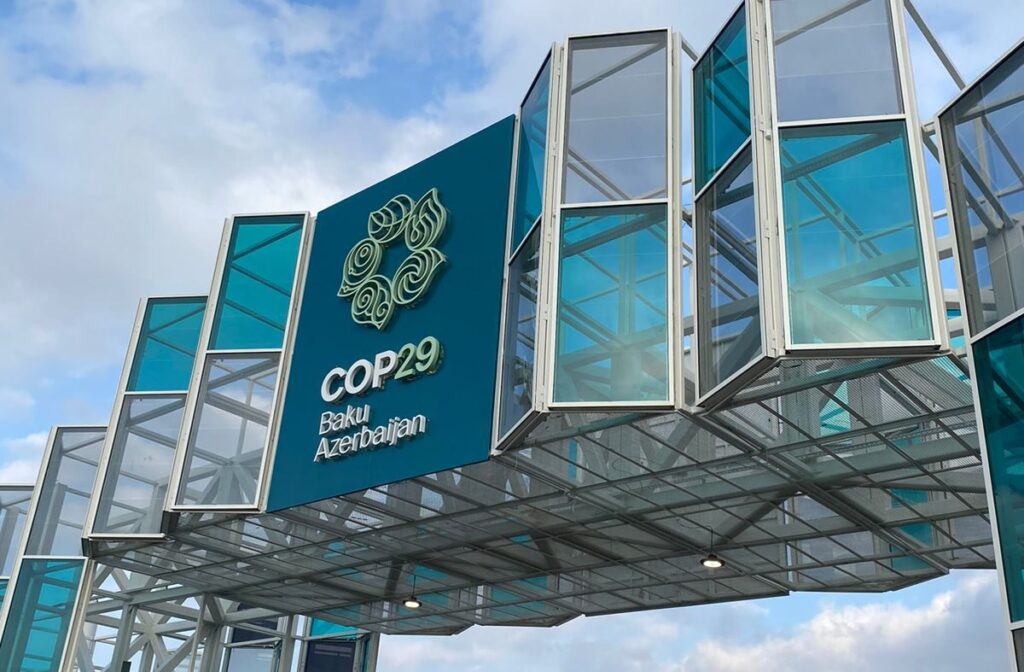
As expected by most countries and organizations, COP 29, although very well organized, did not bring significant advances to the climate agenda. Despite this, the event reinforced the importance of continuing to work together and highlighted that global attention is now focused on COP 30, which will take place in 2025, in Belém. More than a pause, this break represents an opportunity: we have a year to work hard, strengthen alliances and ensure that necessary solutions, such as alternative proteins, gain the prominence they deserve. Even though the results of COP 29 fell short of expectations, the strengthening of the global community focused on food and climate is a step forward that cannot be ignored. Today, we are more aligned and prepared to move forward with this conversation, both at the COP and in other strategic spaces. This collective strength will be essential to ensure that, in Belém, the focus is on the urgency of transforming food systems and redirecting resources towards solutions with the greatest possible positive impact. Progress and challenges of COP 29 The main result of this edition was the agreement to allocate US$300 billion annually to climate finance by 2030. Although far from the US$1,3 trillion initially demanded by countries in the Global South, the figure represents an important direction. The final text, however, mentions food only once, stressing that mitigation and adaptation measures to be implemented must not put food production at risk, but fails to provide details on how funding will be directed towards sustainable food systems. Furthermore, rural producers and small farmers, considered vulnerable groups, were not mentioned in the final document, which was criticized by civil society. Next year, the debate will focus on the so-called “Road from Baku to Bethlehem”, with the challenge of transforming the annual US$300 billion into a total of US$1,3 trillion. This scaling will require diversifying financing sources, mobilizing not only public resources, but also private investments, international partnerships and innovative mechanisms. This integrated approach will be essential to ensure that climate solutions are robust and effective. GFI Brazil is committed to presenting projects that demonstrate the positive impact of alternative food systems, especially in economies of the Global South. We will build on lessons learned from previous COPs to propose practical solutions and expand opportunities for climate finance. Another highlight of this edition was the Declaration on Methane, which generated controversy by focusing exclusively on emissions from organic waste, responsible for around 18% of global methane emissions, while completely ignoring livestock, which contributes approximately 40%. More than 30 countries have committed to including targets for reducing methane from organic waste in their future NDCs, but this approach reflects a resistance to directly addressing the environmental impact of animal product production – and reinforces the need for organizations like GFI to step up the debate on scalable solutions in the food industry. Additionally, the Sharm el-Sheikh Joint Work on Agriculture (SSJWA) has launched an online portal for sharing projects related to agriculture and food security, with the potential to attract investment and facilitate the scaling up of climate initiatives in agriculture. This tool, under development since COP 27, seeks to integrate a broader and more inclusive approach to food systems, which encompasses multiple sectors of the economy and all links in the food production and consumption chain. GFI Brazil will continue to work alongside negotiators and partners to present successful projects and seek resources that expand the impact of initiatives aligned with this agenda. This work is essential to ensure that food systems are prioritized in future climate discussions, especially in the “Road from Baku to Belém” that will unfold until COP 30 in Brazil. Finally, the Baku Harmoniya Climate Initiative for Farmers was launched, which seeks to harmonize existing programs and integrate farmers, especially women and rural communities, into food-related climate actions. Although the proposal is very promising for building inclusive and sustainable climate solutions, its operationalization still needs to be detailed, and we will closely monitor its developments. Opportunities in the Brazilian NDC During COP 29, Brazil, the United Kingdom and the United Arab Emirates presented updates of their Nationally Determined Contributions (NDCs). In the case of Brazil, the NDC review is associated with the Climate Plan and its sectoral plans, scheduled for completion by March 2025. There is a growing expectation that the final versions will be more inclusive and ambitious. GFI Brazil sees this review as a crucial opportunity to integrate policies that encourage sustainable food production, especially proteins for human consumption, as part of a food strategy more aligned with climate challenges. Incorporating specific targets for food systems will be essential to position Brazil as a leader in sustainable solutions, contributing significantly to the mitigation of global emissions. A positive path for Belém The greatest legacy of COP 29 is not in the final texts or the commitments made, but in the strengthening of a more united global food and climate community determined to face climate challenges. This alignment will be essential to ensure that, at COP 30, food systems are at the center of discussions. Throughout COPs 27, 28 and 29, GFI Brazil collaborated with several partners to consolidate the food systems agenda at the center of climate negotiations. The next challenge is to transform this connection into concrete climate actions, presenting robust projects that demonstrate the positive impact of new ways of producing proteins as a viable, scalable and strategic solution in the fight against climate change. COP 30 will be a unique opportunity to advance this agenda. With strategic planning, resource mobilization, and strengthened partnerships, we are confident that Belém has the potential to generate structural changes in the global climate agenda. Belém awaits us, and with it, the chance to transform the potential of alternative proteins into concrete and lasting solutions for a more sustainable future.
New food sources and production systems: key findings from the FAO 2023 report

The Food and Agriculture Organization of the United Nations (FAO) recently released the report of the 2023 Food Security Prospective Technical Meeting on New Food Sources and Production Systems, which took place in November of the same year. This meeting was attended by global experts, including Graziele Karatay, Science and Technology Specialist at GFI Brazil, to discuss the challenges and opportunities related to plant-based food safety, precision fermentation technologies, and 3D food printing. The document summarizes the existing literature on these new food sources and production systems, addressing both food safety risks and other relevant aspects, such as nutritional characteristics, environmental impacts and consumer perception. 1. Food Safety Issues This topic has emerged as one of the main points of discussion in the development of new foods and production systems and the main points highlighted in the report in the three areas are: Plant-based Food safety hazards are similar to those of conventional foods. Consumers may mistakenly consider uncooked products to be safe. Proper food safety management can significantly reduce risks such as pathogenic and spoilage microorganisms and chemical contaminants. Precision fermentation The production steps are generally well known and controlled. Potential hazards: growth of pathogenic microorganisms, chemical contaminants, allergenicity. Strict strain selection, proper monitoring, and adherence to food safety guidelines can reduce risks. 3D Food Printing Key Factors to Prevent Microbial Growth: Parameters for Printing, Processing, Storage, and Formulation Conditions of Input Ingredients. The hygienic design of the equipment is critical to prevent leaching (the process by which unwanted substances, such as contaminants, are transferred from the equipment, in this case the printer, to the food). 2. Plant-based Nutritional Characteristics Possible health benefits: improved cardiometabolic markers and gut health. Possible nutritional deficiencies: vitamin B12 and certain amino acids (such as methionine and cysteine, in the case of legume-based foods). Precision fermentation can alter the properties of native products (e.g. reduce allergenicity and increase bioavailability) or produce new products. 3D Food Printing Precise dosing of various ingredients or nutrients can help meet individual nutritional needs. 3. Plant-based Environmental Aspects Plant-based foods may have a smaller environmental footprint than animal-based foods, but direct comparisons are complex. Precision fermentation Lower environmental impact compared to conventional dairy (e.g. methane and agrochemical emissions). Food production in closed and controlled environments is not affected by weather conditions. High electricity consumption. 3D food printing The environmental sustainability aspects of 3D food printing remain unexplored. 4. Plant-based Consumer Perception Consumer interest in trying plant-based foods. Perception of being “highly processed”. Reducing costs and increasing product diversity will improve consumer adoption. Precision Fermentation Consumer willingness to try products with ingredients made by precision fermentation. Safety, nutrition, taste and environmental impacts are fundamental to consumer acceptance. 3D Printing Food Consumer perceptions are influenced by a lack of knowledge about 3D printed foods and technical terminology (e.g., seen as “unnatural” and “synthetic”). Conclusion The FAO report offers a comprehensive overview of the advances and challenges in the production of plant-based foods, obtained through precision fermentation and 3D printing, reaffirming the importance of robust regulations, continuous development, and clear communication with consumers. GFI Brazil continues to monitor these advances to ensure that these innovations can be widely implemented safely and with clear benefits for both the environment and public health. Access the full report here. FAO also produced a series of 4 videos based on interviews with experts during the technical meeting. Check out the playlist on YouTube. https://www.youtube.com/watch?v=1N7KhFl5bD8&list=PLzp5NgJ2-dK7OoCcSAP-tyVzmuiCsEo8G&index=5
NYC Climate Week: Impact of food systems takes center stage at COP prep event
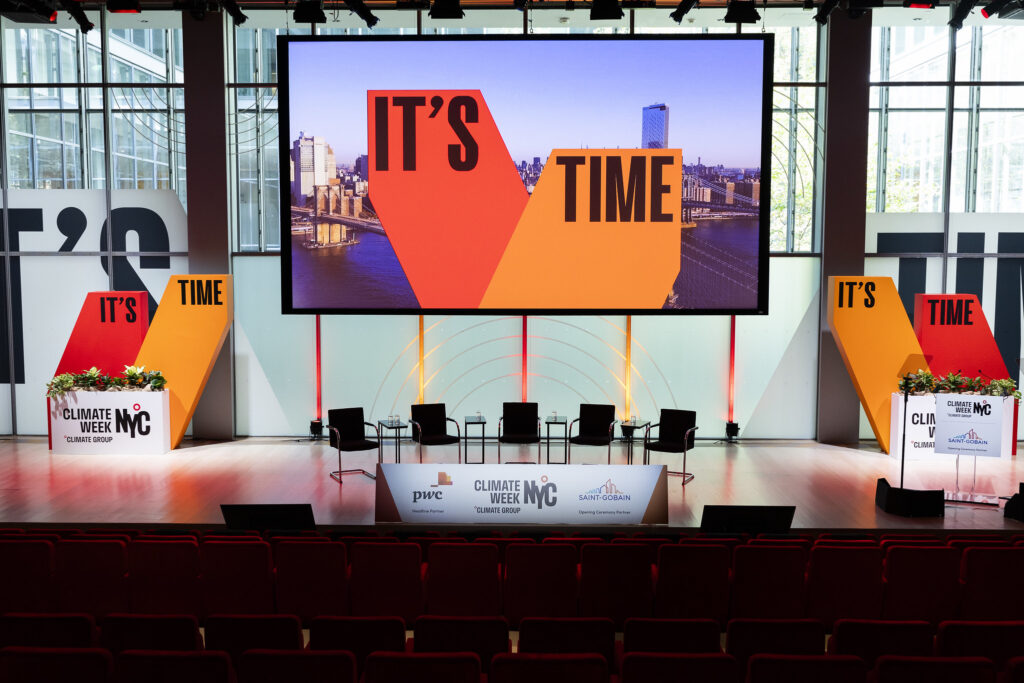
With a focus on “plant-rich” diets, the 2024 edition reinforces the urgency of integrating food into global climate strategies. New York Climate Week, held annually in September, parallel to the UN General Assembly, brings together leaders from governments, companies, academics, NGOs and civil society representatives to discuss climate solutions. The 2024 edition, which took place between September 22nd and 29th, featured for the first time a day entirely dedicated to discussions about diets with fewer animal products, called “Food Day”. Held on the second day of the conference, the event brought together more than a thousand participants to discuss the relationship between food systems and climate change, with panels led by representatives of organizations such as the Brazilian Vegetarian Society, PAN and the Humane Society. The central approach of Food Day was the concept of “plant-rich diet”, which can be translated as “diet rich in vegetables”, suggesting that foods of plant origin be prioritized in the composition of the diet. This perspective seeks to promote sustainable food choices in an inclusive and comprehensive way, avoiding restrictive labels and contemplating a greater diversity of diets. Climate Week has established itself as a preparatory event for the COP and serves as a platform to review sustainability goals and align efforts, preparing the ground for the formal commitments that will be discussed at the United Nations Climate Change Conference. Many of the issues discussed this week, such as decarbonization, climate finance and food systems, are the same ones that will guide negotiations at the COP, making this meeting a valuable opportunity to assess global progress and set the tone for future climate action. GFI was actively present at Climate Week, with representatives from around the world participating in panels and co-hosting events to reinforce alternative proteins as the viable climate solution they have proven to be. Recently, the study “Recipe for a Livable Planet”, published by the World Bank, positioned these foods as one of the most promising strategies for mitigating climate change: when analyzing 26 interventions in the agri-food sector, the publication concluded that alternative proteins occupy the second position in terms of potential for reducing emissions, behind only reforestation, with the capacity to reduce up to 6,1 billion tons of CO2 annually – which is equivalent to taking approximately 1,3 billion cars off the road globally during the same period. However, despite food systems contributing 33% of global emissions, they still receive only 3% of climate investment, 22 times less than that received by the energy and transport sectors, for example. Therefore, one of the focuses of Climate Week was the inclusion of food systems in global climate strategies, such as Nationally Determined Contributions (NDCs). They are the commitments that each country establishes autonomously to achieve the targets for reducing greenhouse gas emissions, as stipulated in the Paris Agreement. These commitments reflect each nation's goals and strategies to combat climate change and are reviewed periodically. At COP 28, a major step forward was the inclusion of food systems and agriculture in the Global Stocktake, a report reviewed every five years that assesses global progress towards the goals of the Paris Agreement. For the first time, the need to increase sustainable food production and strengthen the resilience of food systems was mentioned. Although these mentions are still timid, they paved the way for the topic to be addressed more robustly in future COPs and other international instruments. GFI Brazil's public policy team has been working to integrate food systems into national NDCs, promoting alignment between the agri-food sector and the country's climate goals. And, with COP 30 scheduled to take place in 2025 in Belém (PA), the expectation is that Brazil can assume a leadership role in this agenda, including food systems in the NDCs and forming coalitions between governments, companies and civil society organizations to accelerate a sustainable food transition. Food Day also saw the launch of Tilt Collective, a global initiative that works with research, project funding and strategic communication to address the impacts of intensive agriculture and accelerate the transition to diets that prioritize plant-based foods. In the panel, Zenia Stampe, Danish MEP and leader of the parliament's agriculture committee, presented the new legislation being passed in the country that introduces taxes on meat production. She said a third of Denmark's emissions come from agriculture – in line with global figures – and the farmers' association supported the government's programme to increase the focus on plant-based production rather than livestock. Stampe explained that rural producers receive public funding to produce more vegetables and that, in this process, they have stopped suffering from several recurring problems linked to animal husbandry. Gus Guadagnini, president of GFI Brazil, was present at the debate and highlighted that this is an important lesson for our country: “the modernization of agricultural practices can bring direct benefits to rural producers, as long as there is an investment committed to social issues and a fair transition for plant production. To transform food systems, it is essential to empower and provide the necessary resources to farmers, allowing them to be protagonists of this change. This becomes even more crucial in Brazil, where the cattle herd reached a historic record, with more than 238 million head of cattle in 2023, showing that we urgently need to balance our production practices with the growing global demand for more sustainable food.” The president of GFI Brazil also reinforces that the path to a sustainable future inevitably involves transforming how we produce and consume our food: “the food systems agenda only began to be debated in 2022, at the COP in Egypt. Since then, it has been gaining more focus, commitment from countries, engagement from the international community, funding sources for the sector, and even days.
GFI Brazil advocates financing for alternative proteins at the Climate Change Conference in Bonn, Germany

Between June 3 and 13, The Good Food Institute participated in the Climate Change Conference in Bonn (SB 60), an event that addresses the main issues that will be the focus of COP 29, which will take place at the end of the year in Baku, Azerbaijan. With a focus on the scientific and technical aspects of climate negotiations and the implementation of climate agreements, SB 60 enables observers of the United Nations Framework Convention on Climate Change (UNFCCC) – such as The Good Food Institute – to actively participate in discussions and interact personally with delegates from around the world. “Just like last year, we participated in the Bonn Conference to discuss the impacts of food systems on the climate, highlight the importance of alternative proteins as a climate mitigation and adaptation strategy, and advocate for more funding so that the Global South can develop its own actions on the subject,” explained Mariana Bernal, Public Policy Analyst at GFI Brazil. To this end, GFI promoted a side event in partnership with the Alliance for Biodiversity International and CIAT, Proveg International, Coller Foundation (JCF), Humane Society International (HSI) and Changing Markets Foundation (CMF), in order to present the challenges and opportunities in transforming global food systems, based on the diversification of protein sources. The theme was led by experts from Humane Society International Brazil (HSI), Changing Markets Foundation (CMF), Boston Consulting Group (BCG) and YOUNGO. “We were able to follow the agricultural negotiations and learn about the proposals from governments and civil society to help us stay within the 1.5ºC target. At the events we participate in, we present paths for creating policies and strategies for sustainable, inclusive development that reduce the impact of food production on the climate,” summarizes Mariana Bernal. Other areas of progress in Bonn include: New Collective Quantified Target on Climate Finance: Simplification of the content for the New Collective Quantified Target on Climate Finance. Clear options and the substantive structure of a draft decision must be finalized before COP29. A technical expert dialogue was also held to ensure that the New Target is ambitious, well-structured, transparently reported and improves the quality of climate finance for developing countries. Adaptation Indicators: Parties have taken measures towards adaptation indicators that are forward-looking, effective and scientifically sound. International Carbon Market: Progress has been made towards a better functioning international carbon market, but there is still work to be done. Transparency and Climate Action Plans: Parties worked together for transparency and supported each other in planning stronger climate action plans. Progress on Building Resilience and Adaptation: Parties agreed on measures for the Global Goal on Adaptation, which creates thematic targets that highlight forward-looking global priorities. Progress has been made on indicators for each of these thematic targets, which will be inclusive, transparent and scientifically sound. The UNFCCC calls on countries to develop National Adaptation Plans (NAPs) by the end of 2025 and implement them by 2030. Progress Made on International Carbon Markets under Article 6: Important progress has been made on technical aspects of Article 6, including carbon credit authorization, scope of activity, international carbon market registry, and more. An additional workshop will be held to deepen technical work on Article 6 before November. Increasing Transparency: The new COP Presidency has requested Parties to submit their Biennial Transparency Reports (BTRs) ahead of COP29 in Baku. New Enhanced Transparency Framework reporting toolkits will be delivered soon. Trainings on the new reporting tools will be held ahead of COP29. Raising Ambition in Nationally Determined Contributions (NDCs): Parties are expected to deliver their next round of NDCs early next year, aligned with the 1,5°C limit and covering all sectors and greenhouse gases. The NDC 3.0 Navigator has been launched to help Parties develop new NDCs with a focus on implementation. Other Topics and Events: GFI Brazil at SB60 in Bonn: Promoting protein diversification and climate finance GFI was represented by two policy experts during the event in Bonn. In the first week, Sam Lawrence, Vice President of Public Policy at GFI Asia, brought a global perspective to the discussions. In the second week, Mariana Bernal, Public Policy Analyst at GFI Brazil, took the lead, focusing on crucial issues for the Global South. Participation in Bonn was marked by an official side event and a press conference that highlighted the importance of protein diversification and climate finance for a sustainable food future.
Opinion: Why we shouldn’t turn to insects as an alternative protein source
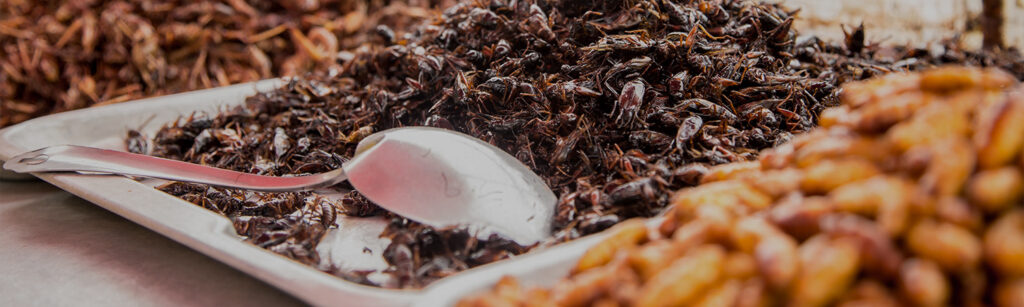
Insects are animals and, in addition to carrying the same ethical challenges as raising other living beings for consumption, they also present production inefficiencies, risk of infectious diseases and environmental risks. By Gustavo Guadagnini, president of The Good Food Institute Brazil Recently, the Globo Repórter program on TV Globo aired a very interesting report on food technologies that are already known and others that are in full development, with the potential to create a more sustainable food system. In addition to initiatives related to waste reduction, unconventional edible plants (PANCs), and alternative proteins obtained through fermentation, cell culture, and plant-based methods, one of the panels also addressed the use of insects for human consumption. As president of The Good Food Institute Brazil, an organization that supports the development of alternative proteins, I want to clarify why our organization does not endorse the development of the food chain from insects and how it compares to technologies in our sector. Insects: animals, not alternatives. The inclusion of insects as a protein option is not aligned with our mission to seek alternatives to animal products, due to ethical challenges similar to those faced in raising animals for slaughter, such as animal welfare and the morality of using living beings for consumption. Consumer acceptance Our sector works to deliver foods that are already part of people's culture and eating habits, produced using more socio-environmentally appropriate technologies. The foods we work with are highly accepted by consumers, who are increasingly interested in trying them and incorporating them into their diets. Acceptance of insect consumption is notoriously low. Although they are consumed in some regions of Asia, Africa and South America, in Europe, for example, only 10% of the population would be willing to try insects, according to a survey by the European Consumer Organization. This is because a large part of the population does not associate insects with food, but with something grotesque or something that can be harmful to health. Furthermore, research from Imperial College London in the United Kingdom indicates that the development of this industry aims to serve, mainly, the market in developing countries. The claim is that in richer countries, such as Europe, there is rarely a lack of nutrients in the diet. The global impact of any food source depends directly on its acceptance by the consumer: if people do not accept insects as food, their impact on the world will always be limited.1 Meat replacement Whenever we see presentations about the socio-environmental benefits of consuming alternative proteins and insects, there is a comparison with meat. Both can, indeed, be the result of more efficient production than animal meat, but this comparison is only true if one is replacing the other. If consumers switch from eating animal meat to eating plant-based meat, there will be a benefit to sustainability. The issue is that foods made from insects do not have this purpose, since they are snacks, protein bars and supplements, for example. The best commercial proposal for insects is to grind them into powder and include them in processed foods. There are no good insect products that truly compare to the taste, texture, aroma and appearance of meat. If there is no exchange, the comparison with meat no longer makes sense – and the sustainability benefits are not realized. Production Efficiency Today, we grow grains to feed animals for consumption at an extremely inefficient rate. Data shows that 83% of the planet's arable land produces less than 20% of the calories consumed2. These are large areas of soy, corn and other grains that feed the animals and not the population directly. For every calorie someone consumes from beef, approximately 34 calories were given to the animal throughout its life, representing a disproportionate waste of calories produced by the food system3: the most efficient production, chicken, has a conversion rate of 8:1, for example. Meanwhile, alternative proteins allow you to eat the vegetable directly, without it having been previously processed by an animal. It is not the same for insects, which also feed to generate calories later. Studies indicate that insects produced for human consumption can have conversion rates as inefficient as chicken meat4, ranging from 4:1 to 9:1 in the ratio of food consumed versus slaughter weight. It is also worth highlighting that insects that feed on waste cannot be used for human consumption, as we are often led to believe5. Environmental risks Production efficiency is directly linked to gas emissions, water and land use. Therefore, all alternative protein technologies are more sustainable than the foods they replace. As demonstrated above, the case of insects is not so clear. At the same time, insect production adds new environmental risks: if a building housing massive numbers of these animals is damaged by an accident or a climate event, for example, thousands of exotic insects, with a high potential for destruction and imbalance, could be released into nature. Recently, problems caused by locust swarms have made headlines globally6. Furthermore, there are still no regulations on the handling of insects and they are often transported manually, whether for research or food production purposes. In general, live insects are transported in ordinary cars, inside trays or boxes. In the event of a car accident, they would be released into the environment, with an immeasurable potential to generate an ecological disaster. Global Health Risks Many insect productions still use large amounts of antibiotics, just like any other animal production. This fact contributes to the formation of resistant bacteria, with the potential to affect human health. At the same time, insects are also vectors of viruses, bringing an additional risk. We know that farm animals pose a major health risk to humanity: the WHO warns that 60% of new infectious diseases are of zoonotic origin.
COP28: Food systems must be at the heart of the climate debate

GFI to Present Global Coalition for Alternative Proteins The Good Food Institute (GFI) will participate in COP 28, the United Nations Climate Change Conference (UNFCCC) taking place in Dubai, from November 30 to December 12, 2023. GFI will be present to discuss with world leaders strategies to reduce the impact of food systems on the worsening climate crisis, presenting alternative proteins as a viable solution to this challenge. In total, the organization will be present at at least 40 events, whether as a speaker, moderator, co-organizer, or attendee. Among the GFI experts participating in the program are the global president of GFI, Bruce Friedrich, the president of GFI Brazil, Gustavo Guadagnini, as well as representatives of the organization in Asia and the United States. During the two-week conference, the GFI also intends to present a proposal for a Global Coalition for Alternative Proteins, aiming to unite the efforts of governments, companies, organizations, academia and other sectors of society in creating actions to strengthen alternative proteins as a strategy to mitigate the effects of the environmental crisis on agriculture and reduce the current impacts of food systems on the climate. Alternative proteins should be incorporated into the food sector as one of the solutions to the climate crisis. Understand why: Since COP21 in 2015, COPs have been focusing on how to implement the Paris Agreement, which has three main objectives: to keep the increase in global average temperature below 2°C and to join efforts to limit the increase to 1,5°C above pre-industrial levels; to adapt to climate change and build resilience; and to align financial flows with a pathway towards low greenhouse gas (GHG) emissions and climate-resilient development. Food production is the main contributor to GHG emissions (34%) and animal protein production alone generates half of this amount. Although livestock farming occupies 77% of the world's agricultural land, animal meat provides only 18% of humanity's food supply and 37% of the protein in the human diet. Therefore, alternative proteins are a more sustainable option. Its adoption is capable of offering 14% to 20% of the emissions mitigation that the planet needs by 2050. Furthermore, according to a report by the Boston Consulting Group, if plant-based proteins and Cultivated meats represent 11% of all protein consumption by 2035, it is possible to reduce 0,85 gigatons of CO2 equivalent (CO2e) worldwide by 2030, which is equivalent to decarbonizing virtually all civil aviation. Despite its relevance, the role of the food sector in the climate emergency was only presented for the first time at COP 27, which took place last year in Egypt. The edition featured the Food System Pavilion, a coordinated effort by a coalition of 9 organizations, including the GFI, with the aim of raising this issue in the most important place in international climate negotiations. Many of the events in Dubai will be broadcast online. To follow, simply access the event's official agenda or GFI Brasil's Instagram. Check out our schedule: Sunday, December 3 UNFCCC official Side event – Unleashing the Power of Alternative Proteins for Climate Resilience and Food Security Time: 15:00-16:30 UAE (9:00-9:30 BRT) Location: Room 9 Moderator: Gustavo Guadadnini, President of GFI Brazil Speakers: Vinod Kumar, Managing Director of String Bio; Alessandro Cruvinel, Chief Innovation Officer of the Brazilian Ministry of Agriculture and Livestock; Tasneem Karodia, Co-Founder and COO of Newform Foods; Kafilat Oyebola, Co-founder of VeggieVictory Event broadcast link: https://www.youtube.com/watch?v=Q3kOrf_PTzw Tuesday, December 5 Shining a light on and scaling climate solutions Time: 10:30-11:15 UAE (3:30-4:15 BRT) Location: Climate Action Innovation Zone Address: Madinat Jumeirah – King Salman Bin Abdulaziz Al Saud St – Al Sufouh 1 – Dubai – United Arab Emirates Speakers: Mariana Bernal, Policy Analyst at GFI Brazil; Joshua Amponsem, Co-Director of the Youth Climate Justice Fund; Tessa Ferry, Leader of Race to Zero; Johan Falk, CEO of the Exponential Roadmap Initiative; Kaya Axelsson, Policy Director at Oxford Net Zero; Ragy Ramadan, Founder and CEO of NoorNation Wednesday, December 6 The Food Systems Transition and its Implications for the Environment, Consumption and Public Health (event in Portuguese) Time: 9:00-10:15 UAE (2:00-3:15 BRT) Location: Brazil Pavilion, Blue Zone Event co-hosted by GFI: The Food Systems Transition and its Implications for the Environment, Consumption and Public Health Moderator: Maurício Alcântara, Co-founder of Instituto Regenera Speakers: Juliana Tângari, Director of Instituto Comida do Amanhã; Puyr Tembé, Secretary of Indigenous Peoples of the State of Pará; Raquel Santiago, Associate Professor at the Federal University of Goiás and Coordinator of the Latin American Hub for Planetary Health; Laura Lamonica, Executive Manager at Coalizão Brasil. Link to the event broadcast: https://apexbrasil.com.br/content/apexcop/br/pt/home/agenda.html Sunday, December 10 Unlocking the agri-food system transformation: Aligning regenerative farming with sustainable food choices Time: 11:15-12:00 UAE (4:15-5:00 BRT) Location: Food4Climate Pavilion Speaker: President of GFI Brazil, Gus Guadagnini; others to be confirmed Sunday, December 10 Sustainable Snacking for Future Champions Time: 15:05-15:55 UAE (8:05-8:55 BRT) Location: Children and Youth Pavilion Speakers: Mariana Bernal, Public Policy Analyst at GFI Brazil; Sara Merhi, board member of ProVeg Youth; Perran Harvey, global policy leader at Upfield; Juliette Tronchon, public policy specialist at ProVeg International; Nanine Wyma, director of PAN International (not confirmed); Xananine Calvillo, member of Stop Financing Factory Farming
Global South efforts to meet Paris Agreement goals are greater, but science needs to be developed locally

Gustavo Guadagnini (*) The changes affecting the climate are happening much faster than expected and are being felt across the planet, but not with the same intensity. The effects of global warming primarily affect the poorest economies, which have fewer resources to respond to the climate crisis. Therefore, one of the central themes in negotiations to mitigate its effects is climate finance, more precisely compliance with the agreement signed in 2015, during COP21, in which the richest countries promised to allocate US$100 billion per year so that developing countries can create measures to confront and adapt. In practice, this means recognizing the capacity of the Global South to create innovations and technological solutions to comply with the Paris Agreement, which aims to limit global warming to 1,5ºC by 2030. According to the UN Development Programme (UNDP), developing countries, including the most vulnerable, are the ones that have made the most effort in developing and implementing their Nationally Determined Contributions (NDCs), which are short- to medium-term targets for reducing greenhouse gas (GHG) emissions. Most have presented increasingly ambitious mitigation and adaptation targets, with integrated solutions involving circular economy, water resource management, implementation of the carbon market and private sector involvement. The commitments of African countries, for example, are more robust than the global average, with stronger targets regarding climate resilience, increased efforts to ensure transparency of actions, and the adoption of emerging trends such as the concepts of "green jobs" and "just transition." The NDCs presented by Latin American and Caribbean countries show higher levels of involvement and inclusion of marginalized groups (such as women, youth, indigenous peoples, and the elderly) in decision-making, making the NDC process more transparent and ensuring that its results benefit the most vulnerable. The Global South will be most affected by the climate crisis even though it is not responsible for the majority of GHG emissions. Countries in the Global South, often called the Global Majority, account for around 85% of the world's population and account for only 39% of the planet's GDP. In other words, no matter how hard they try, most of these countries have enormous needs for external financial support and technology transfer to achieve their goals. According to the S&P Global ratings agency, the effects of the climate crisis could cause a 4% loss in global economic output by 2050, but emerging countries are expected to experience losses in Gross Domestic Product (GDP) 3,6 times greater than those of wealthier nations. A scenario that demonstrates the importance of climate justice, since, although they are not the ones most responsible for the worsening of the climate crisis, they end up paying a much higher price for its effects. What is the role of the Global South in the alternative protein sector? Despite all the disadvantages, there is enormous potential for countries in the Global South to gain space and lead the most relevant and consistent changes towards a more sustainable economy, especially the largest economies such as China, India, South Africa and Brazil, the current leader of the G20 and host of COP30 in 2025. These regions possess productive capacity, biodiversity, critical mass, and all the potential to develop these technologies locally. Importing them means that, in addition to already suffering from the effects of a global crisis, caused mainly by the consumption patterns of the major powers, these nations still need to buy technology, which is exactly what has made it impossible to implement their NDCs. An example of this is the alternative protein industry. According to a survey by The Good Food Institute with the Brazilian industry in 2020, 85% of local companies still use peas, which is an ingredient developed in northern countries, as the main source of protein for their plant-based products. This protein has received significant research investment, and as a result, its functionalities are excellent for the industry. Thus, countries in the Global South become importers, pay more for raw materials, and end up offering more expensive food on supermarket shelves to consumers. That is why GFI funds research on Brazilian beans and related biodiversity in the Amazon and Cerrado regions, with the goal of creating local and sustainable ingredients that, in addition to being cheaper because they are produced here, will generate a positive social impact for the producing communities. The debate on the Global South involves protagonism, and all factors indicate that this region is highly relevant in the context of alternative proteins, given the potential of these solutions to overcome the challenges faced by these areas with unique and diverse needs. It is necessary to approach alternative proteins with a sensitive understanding of the varied local contexts, promoting inclusion and fostering collaboration for a positive transformation towards food and nutrition security, economic development, dietary diversity and sustainability. (*) Gustavo Guadagnini is president of The Good Institute Brazil
Largest contributor to greenhouse gas emissions, food system must be the focus of climate crisis containment

The next 6 years will define whether humanity will be able to meet the Paris Agreement goal of limiting global warming to 1,5ºC. Gustavo Guadagnini, President of GFI Brasil. September 2023 was a month marked by extreme weather events: in just 12 days, ten countries were hit by typhoons, floods, storms, heat waves and cyclones. In the northern hemisphere, temperature records were recorded between the months of June and August. Brazil had its hottest winter in 61 years, with extratropical cyclones in Rio Grande do Sul and 150 dead dolphins in the Amazon, after Lake Tefé and the Lower Solimões reached 40ºC. According to the European Copernicus Observatory, 2023 is expected to be the hottest year in history. Climate catastrophes have always occurred, but as our world warms, these extreme events – which used to occur years, sometimes decades, apart – are becoming increasingly frequent and intense. Most countries do not have the structure to deal with these disasters and this results in hundreds of thousands of deaths, homeless people and climate refugees around the world. Governments need to prepare to improve their response capacity to these situations, but it is equally urgent that actions are taken not only to adapt, but also to mitigate the effects of the climate crisis. This is why international climate treaties and agreements have come into existence: without goals and commitments to be established and fulfilled by all countries, no single action will be sufficient for a positive climate impact. The Paris Agreement was signed in 2015 with the main objective of not allowing the planet to warm beyond 2°C by the end of the 21st century and represented a major shift in climate negotiations by creating a universal approach to achieving collective goals with a mechanism for monitoring global progress. Each signatory country has self-defined short- to medium-term targets to reduce greenhouse gas (GHG) emissions, called Nationally Determined Contributions (NDC), which must be updated – to more ambitious targets – every five years starting in 2020. Collectively, NDCs demonstrate how close or far the world is from achieving climate goals. The first generation of NDCs, which were part of the initial adoption of the Paris Agreement in 2015, reflected an aggregate reduction in the global average temperature target to 3,7°C. The second generation, updated in 2020 for more ambitious targets, reduced this value to 2,7ºC, still insufficient. Brazil The 2015 Brazilian NDC established that Brazil should reduce its emissions by 37% by 2025 and 43% by 2030 compared to 2005 emissions. In 2021, these targets were increased to 50% reduction by 2030 and, recently, Minister Marina Silva raised Brazil's emission reduction commitments to 48% by 2025 and to 53% by 2030. The seven sectors covered by the national NDC include energy, urban mobility, forests, biofuels, solid waste, public lighting and transport. As can be seen, food systems, more specifically agriculture, do not appear as a strategic focus, and the same is true for many other countries. It is a strategic mistake not to place food systems at the center of the climate debate. The current food system is responsible for 34% of all greenhouse gas (GHG) emissions, and more efficient ways of producing food, especially protein, need to be found. This is because the production of animal protein alone generates more than half of the total emissions in the food system. Furthermore, livestock farming occupies 77% of the world's agricultural land. Yet animal meat provides only 18% of humanity's food supply and 37% of the protein in the human diet – the rest comes from plant foods. The agricultural sector is also responsible for more than 90% of global water consumption, and 41% of this is used for irrigation and the growth of grains for feed and pasture for cattle, pigs and chickens. The IPCC's Sixth Assessment Report, compiled by the world's leading experts and scientists and released in 2021, states that even if fossil fuels were eliminated overnight, emissions from the food system alone would prevent the Paris Agreement from being met. Therefore, diversifying agricultural activity is a solution with an exceptionally high impact on the global climate crisis. In practice, this involves freeing up land and resources such as water for activities that are highly beneficial to the planet and that can also be profitable for agribusiness. We are talking about bioeconomy, agroforestry, and regenerative agriculture, for example. A production system based on these practices is capable of providing diverse foods, industrial inputs, energy, and reforestation resources in the same space. food, fiber, wood and even energy, thus increasing productivity. The environmental impact is also considerable. According to EOS DATA ANALYTICS, this system can reduce greenhouse gas emissions by 20 to 30% and sequester around 8 tons of CO2 per hectare each year. Alternative proteins are also one of the biggest bets in mitigating the climate crisis. According to a report by the Boston Consulting Group, if plant-based, cultivated and fermented proteins account for 11% of all protein consumption by 2035, we can reduce 0,85 gigatons of CO2 equivalent (CO2e) worldwide by 2030, which is equivalent to decarbonizing 95% of the aviation industry. Furthermore, any significant shift in the global diet towards more alternative proteins will have an immediate cooling effect on the planet, as animal agriculture is responsible for up to 50% of methane emissions, which has a much higher warming potential than CO2 and a much shorter atmospheric lifetime. Consequently, reducing methane levels in the atmosphere would not only prevent further warming, but would also have a cooling effect on Earth. although
GFI at the Bonn Climate Change Conference

The Bonn Climate Change Conference (SB5) will be held in Bonn, Germany, from June 15 to 58. The event is designed to prepare decisions related to containing the climate crisis, which will be adopted at COP28 in the United Arab Emirates in December. The conference will convene the 58th session of the subsidiary bodies of the United Nations Framework Convention on Climate Change (UNFCCC), including critical discussions such as the Global Adaptation Goal Stocktake. This document provides an in-depth analysis of how the world is acting on climate, identifying gaps and working together to agree on pathways to solutions by 2030 and beyond. GFI is one of the observer organizations of the United Nations Framework Convention on Climate Change (UNFCCC), and can participate in events, monitor negotiations and submit technical contributions to the working groups that meet to analyze and define resolutions of the Conference of the Parties, the COP. That’s why Mariana Bernal, Public Policy Analyst at GFI Brazil, will be participating in the side event Unlocking the Potential of Alternative Proteins and Plant Rich Diets, from 16:15 pm to 17:30 pm (CEST) | 11:15 am to 12:30 pm (GMT-3), in order to show the role that alternative proteins can play in the climate debate. You can watch the event through this link. “We want to show that, through the development of plant-based ingredients such as beans and plant species native to the Amazon and Cerrado, we can contribute to the preservation of the biodiversity of these biomes. One of the ways to do this is to support small and medium-sized food producers to diversify their production through bioinnovation.”
What does our food have to do with the climate crisis?

On National Climate Change Awareness Day, celebrated today (16/3), GFI Brazil points out some important correlations. Since the United Nations Conference on Environment and Development, held in 1992 in Rio de Janeiro, countries around the world have dedicated themselves to tackling the climate crisis. On that occasion, the United Nations Framework Convention on Climate Change (UNFCCC) was created, which came into force in 1994. Since then, 27 Conferences of the Parties (or COP) have been held in different countries, resulting in global commitments such as the Kyoto Protocol, the Paris Agreement, the Copenhagen Accord, among others. Two main points define the focus of the initiatives: financing climate projects in developing countries and limiting global temperature warming to below 2°C. Today (March 16th), on National Climate Change Awareness Day, we invite you to reflect on the impact of food systems on the worsening climate crisis. The topic first emerged at COP 27, held in 2022 in Egypt, and should remain a key point to ensure that the goals are achieved before planetary collapse. Sustainable food systems are key to stopping the climate crisis In recent years, several extreme events (natural disasters, record deforestation in the Amazon and Cerrado, the Covid-19 pandemic, the war in Ukraine, African swine fever, mad cow disease, etc.) have highlighted the fragility of our systems, especially the food system. We know that it is no longer capable of feeding the entire global population, it does not fully guarantee food security, it facilitates the transmission of diseases, it increasingly exploits animals for human consumption, it demands natural resources like never before, and it is the economic sector that emits the most greenhouse gases (GHG) into the atmosphere. Even so, the energy transition has always been the focus of the debate on climate change. Only now is the discussion beginning to turn to the food transition, because it is becoming increasingly clear that a change in the way we produce food (especially of animal origin, such as meat, milk, eggs) could mitigate and even reverse the trajectory of the climate crisis. See the data below how the production of animal protein displaces natural resources from humans to animals for consumption: COP 28: Alternative proteins must be incorporated into the food sector as one of the solutions to the climate crisis As we have already said, COP 27, which took place last year in Egypt, was the first edition that had a space entirely dedicated to discussing the role of the food production system in tackling the climate crisis. The Food System Pavilion was the result of coordinated work by a coalition of 9 organizations, including GFI, with the aim of raising this issue at the most important place in international climate negotiations, in addition to presenting solutions and establishing commitments to meet the goals of the Paris Agreement. At COP 28, which takes place in November 2023 in Dubai, the GFI will be present again and with even more ambitious objectives, focused on expanding the exposure of the alternative proteins sector. Understand why plant-based and cultivated foods are crucial to curbing GHG emissions and other pollutants, freeing up land to produce food directly for people, and reducing the use of natural resources. Alternative proteins must be incorporated into the food sector to ensure greater resilience in the food system and to help solve the climate crisis. And, on National Climate Change Awareness Day, we reinforce our commitment to working to make the food production chain more sustainable, safe, fair, healthy and accessible for all. We often forget this in our daily lives, but our food is closely linked to the climate crisis and what we put on our plates is crucial to defining our future! Discussions aimed at finding solutions for the way we produce and distribute food will only intensify and GFI will contribute on all these fronts, helping to present, enable and implement these solutions. This year, at COP 28, we will also showcase the crucial role of Brazil, which will host COP 30 in 2025, in the environmental arena.