
Summary
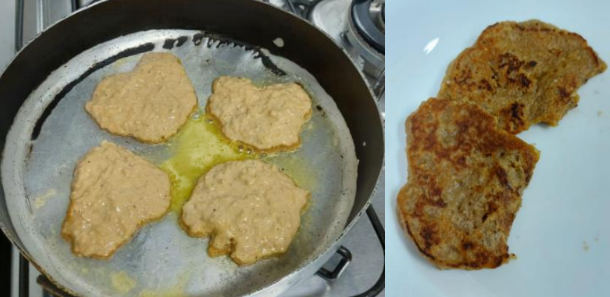
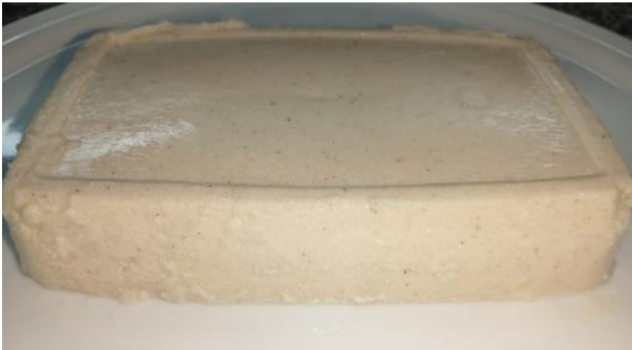
The project values Brazil nut cake, a byproduct of oil extraction in the Amazon, rich in protein (20%) and fiber (20%). Through bioconversion with edible fungal mycelium ( Pleurotus ), plant-fungi-based ingredients were developed . Prototypes of seitan, plant-based cheese, and extruded products (snacks) were created. The addition of the fungus reduced lipids, increased fiber content, and conferred antioxidant activity, resulting in nutritious and sustainable foods with high market potential.
Proposed solution
It transforms a byproduct of the Brazil nut supply chain into high-value alternative proteins. It meets the demand for nutritious ingredients with natural umami flavor for the growing plant-based market.
Technological advantage
The key difference lies in the use of fungal protein (mycelium) combined with cashew nut residue, adding umami flavor that naturally mimics meats and cheeses. The ingredients have a high fiber content, a complete amino acid profile, and antioxidant activity. Applicable to seitan, plant-based cheeses (such as mozzarella, lactose-free/soy-free), and extruded snacks. The technology adds value to the Amazonian socio-biodiversity in an innovative and sustainable way.
Technology Maturity Level – TRL: 4 — Benchtop technology validation
Next Steps
Evaluate patent and technology transfer potential. Test new fungal species to optimize sensory profile, conduct shelf-life studies, advance to pilot-scale testing, and attract industrial partners for production scaling.
Images
Related publications
- Valorization of agro-industrial by-products via aroma-rich fermentation with amazonian and food-grade fungi. Available at: https://www.sciencedirect.com/science/article/pii/S2772502225006353?via%3Dihub
Authors and affiliation
- Ceci Sales da Gama Campos – National Institute for Amazonian Research (INPA).