
Summary
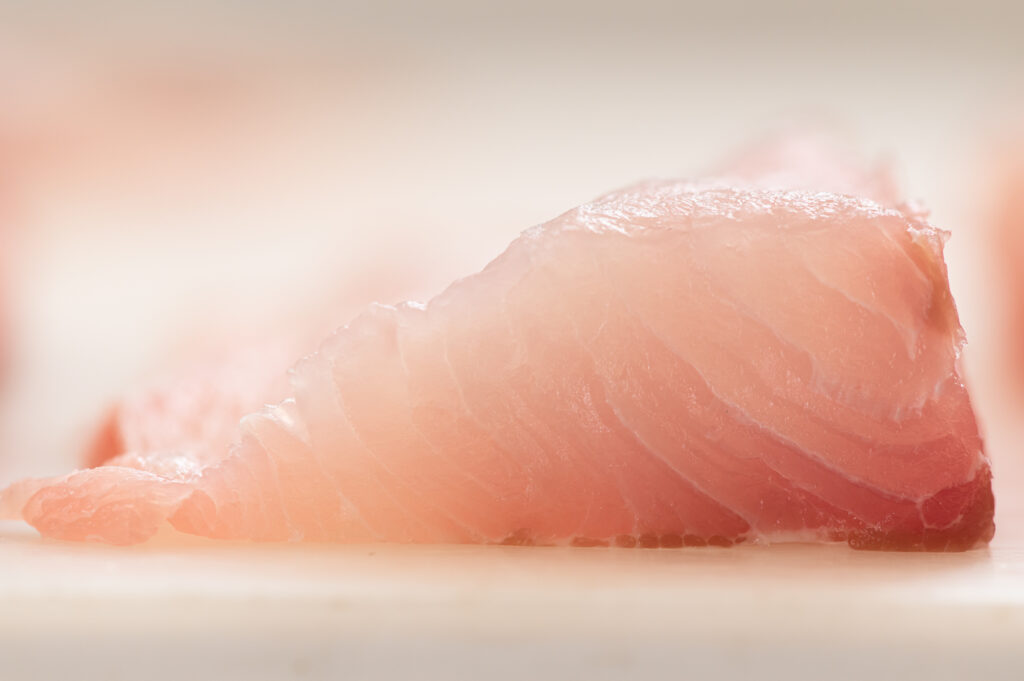
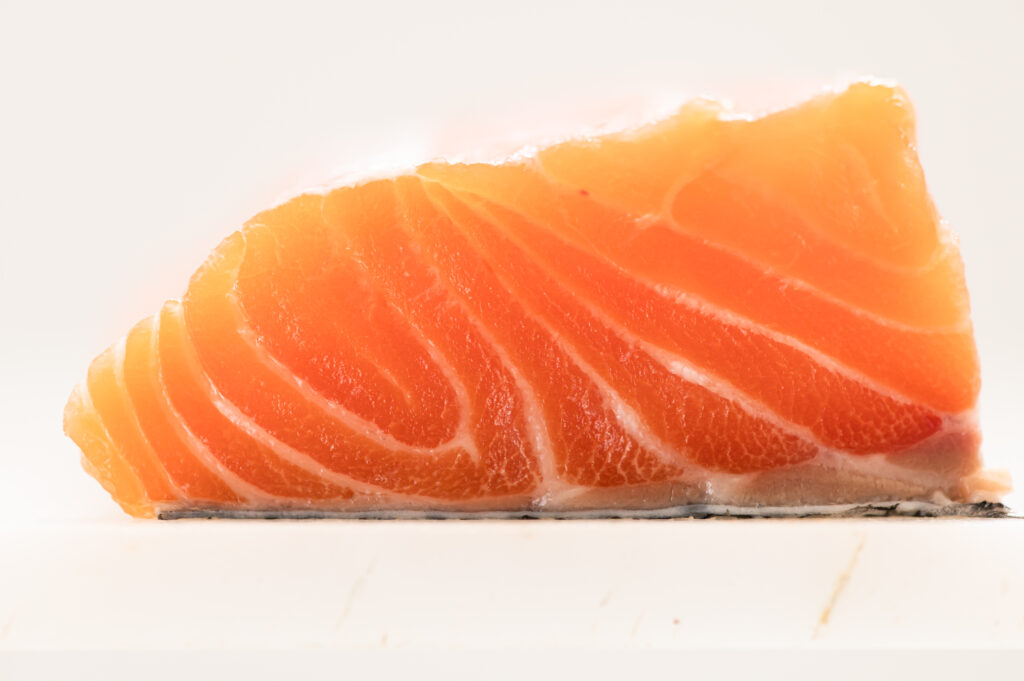
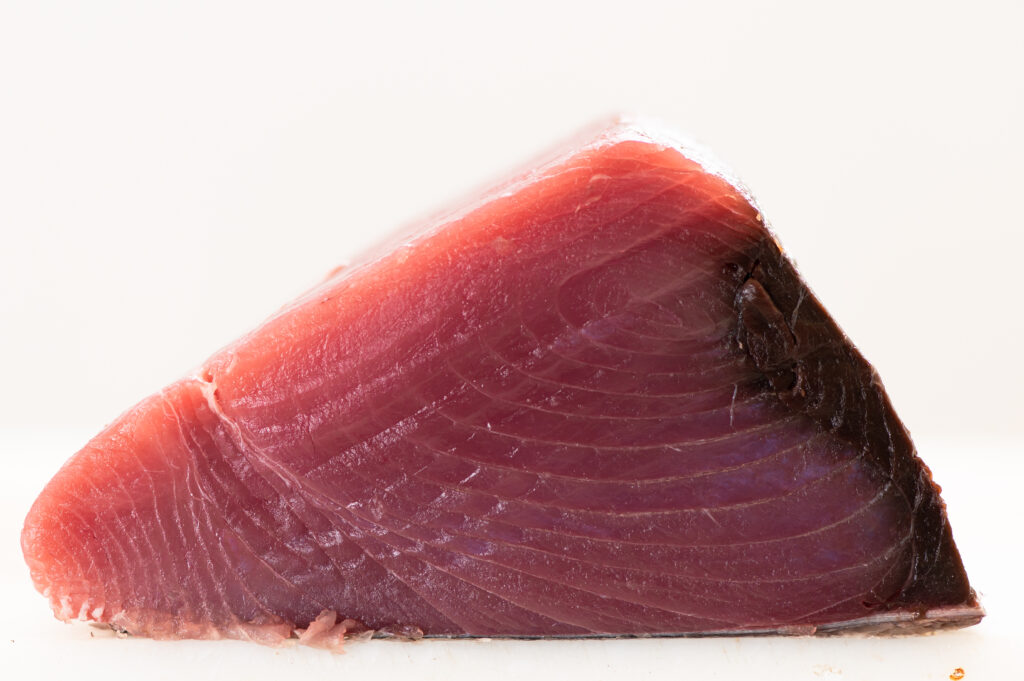
Database containing the chemical (pH, volatile nitrogenous bases, volatile compounds), physical (color, microscopy and texture), functional (emulsifying properties, gel strength and solubility) and sensory (freshness) characteristics of (i) Atlantic salmon ( Salmo salar ); (ii) grouper ( Epinephelus marginatus ); (iii) sea bass ( Centropomus spp. ); (iv) cobia ( Rachycentron canadum ); (v) bigeye tuna ( Thunnus obesus ); (vi) albacore tuna ( Thunnus albacares ) and (vii) shrimp ( Litopenaeus vannamei ). The database is registered on the PISCES platform ( https://gfi.org/resource/aggregating-data-for-alternative-seafood/ ).
Proposed solution
The project characterized the physical and chemical properties of fish species with economic importance, social relevance, and consumer preference in Brazil. The data will serve as a reference for the development of fish-like products, both plant-based and cell-based. According to a survey conducted by The Good Food Institute in 2020, for consumers, the important characteristics that need to be emulated are appearance, color, and texture. However, other aspects related to these properties, such as pH, muscle microstructure, protein functionality, freshness, and the presence of volatile/aromatic compounds, are also important parameters to be determined by standardized analytical techniques that can be correlated with sensory characteristics.
Technological advantage
There is currently no comprehensive database containing the chemical, physical and sensory properties of different fish species, with relevant and standardized data to support research and industries that want to produce fish analogues. These references and characteristics are essential to mimic cell-based or plant-based products, whose market seeks foods that are as close as possible to fresh fish in natura. There is a lot of data published in scientific articles, but they are fragmented, dispersed and the methods vary for each species. The use of standardized techniques, in different species, that provide high-quality results, can contribute to (i) improving the understanding of the structure and composition of fish muscle, supporting the development of more competitive analogues; (ii) optimizing the evaluation of the attributes of fish and their analogue products; (iii) defining key parameters that can improve the acceptance of analogue products by the consumer market.
Technological maturity level – TRL: 1
Next Steps
Advancement will occur with the use of data in the production of farmed or plant-based fish.
Research that funds the development of cell-based and plant-based fish, based on structuring the muscle using the physical, chemical, and sensory aspects of fresh fish muscle.
Images
Authors and affiliation
- Dr. Fabiola Fogaça – project coordinator, Embrapa
- Dr. Giselle Pinto de Faria Lopes – Admiral Paulo Moreira Institute of Marine Studies (IEAPM)
- Dr. Daniela De Grandi C. Freitas-Sa – Embrapa
- Dr. Humberto Bizzo – Embrapa
- Dr. Carlos Wanderlei Piler de Carvalho – Embrapa
- Dr. Caroline Mellinger – Embrapa