
Summary
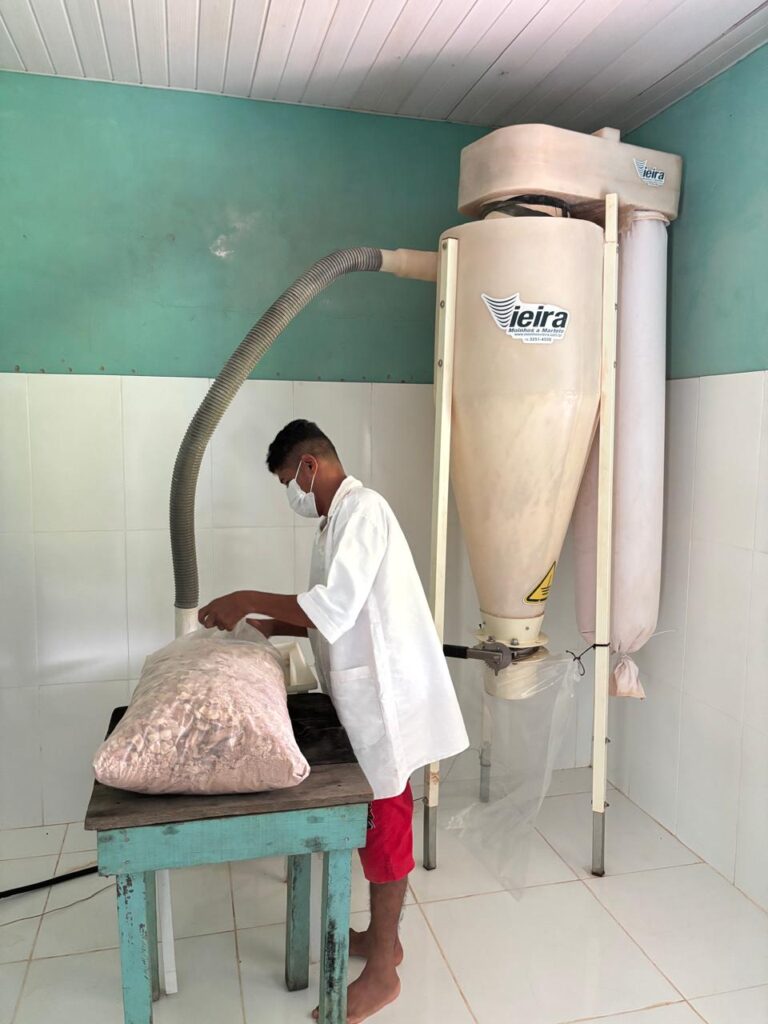
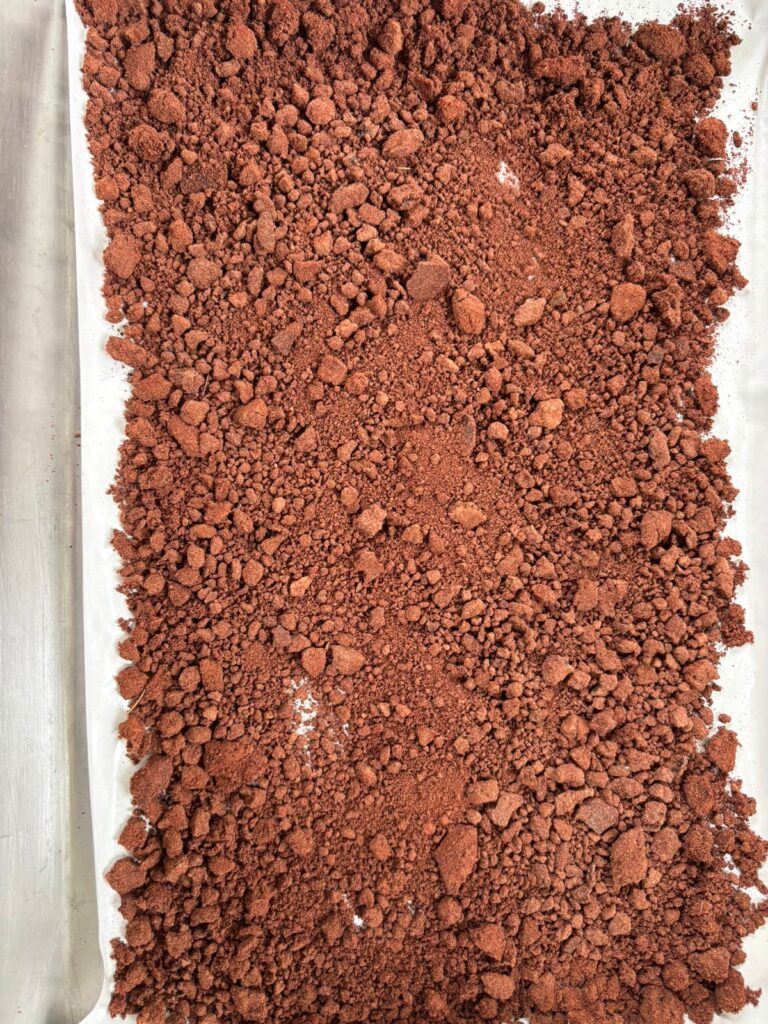
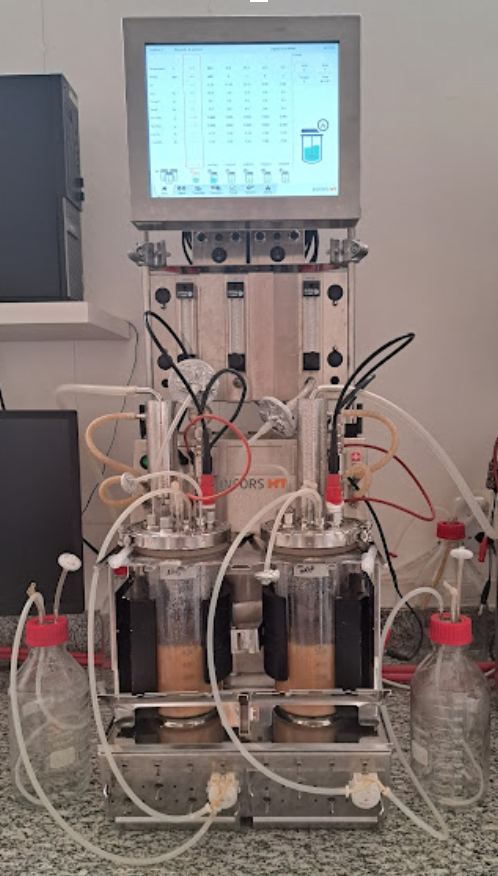
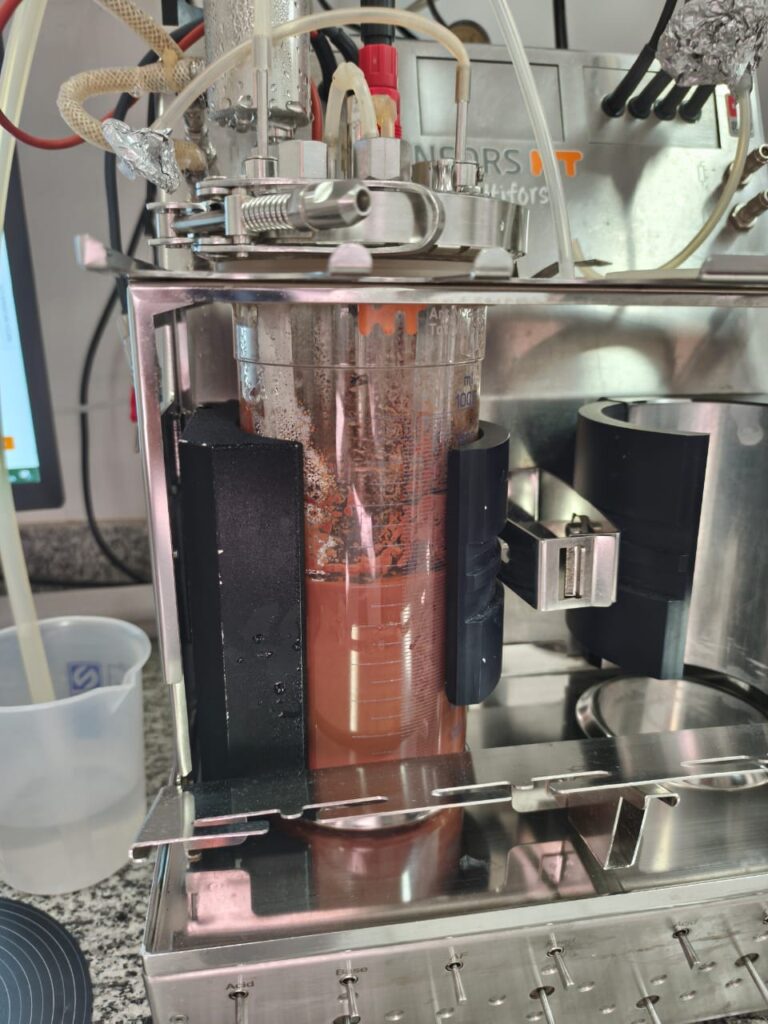
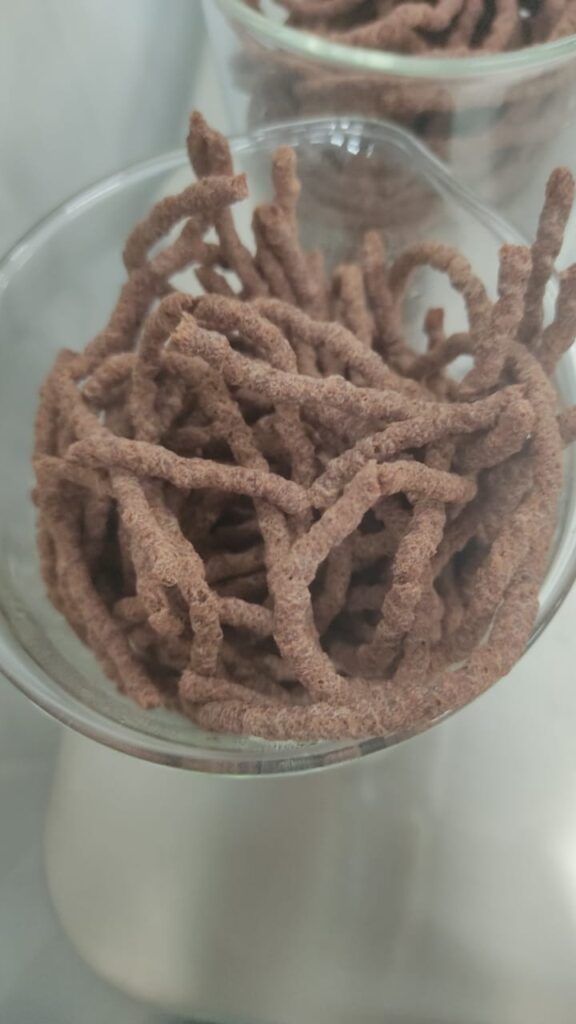
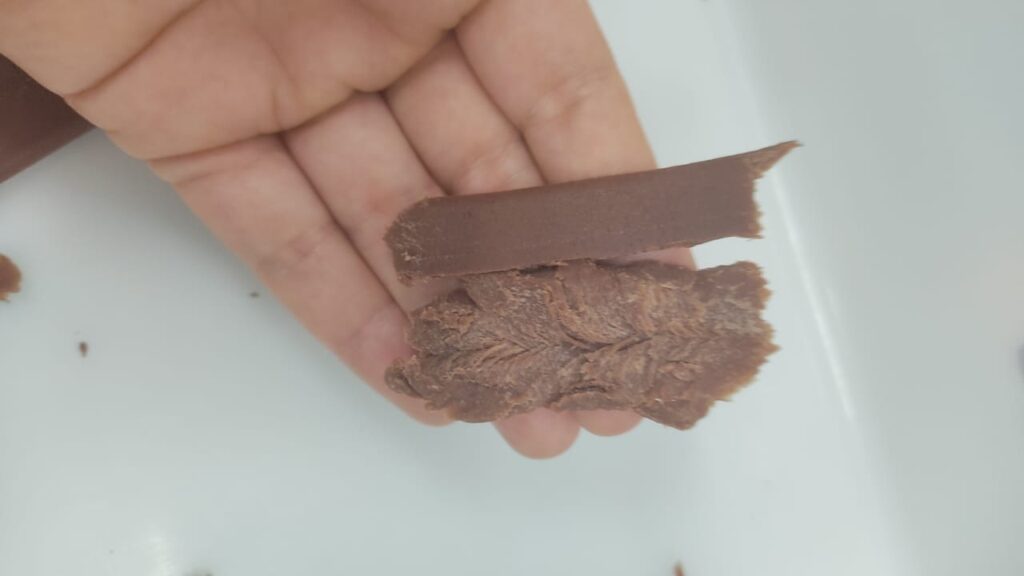
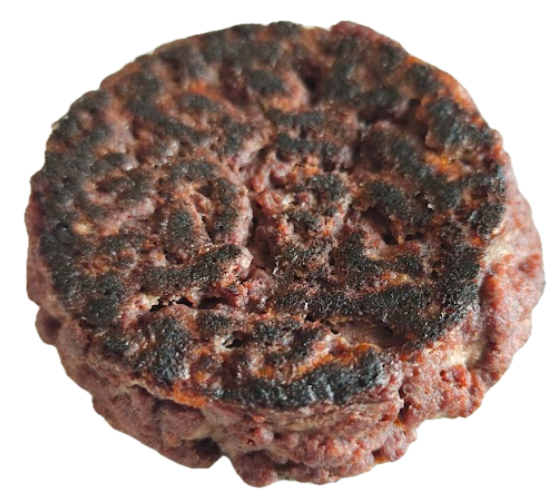
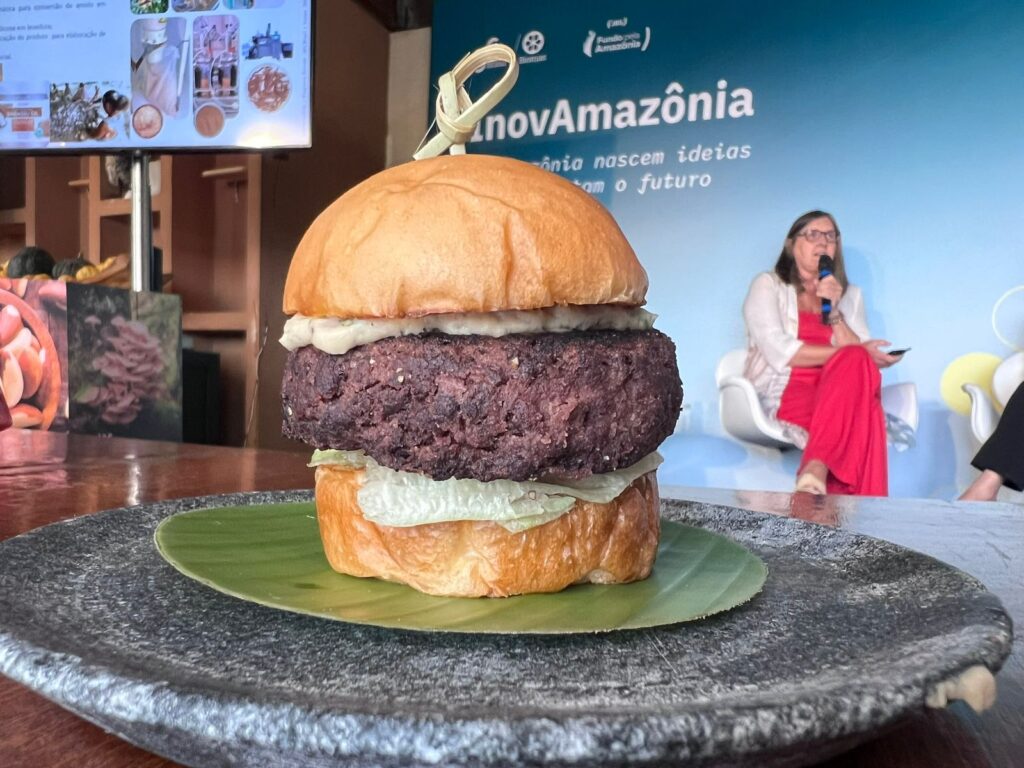
Babassu mesocarp flour is basically composed of starch (73%), with a low protein content (1,5%). The aim of this work was to develop a protein-enriched product for use as an ingredient in food production. To this end, the flour was hydrolyzed with enzymes to generate monosaccharides, which were converted into yeast biomass by fermentation. To validate the ingredient, the resulting product was extruded and used in the production of a meat-analogous hamburger.
Proposed solution
The technology for producing the protein ingredient proved efficient, with potential for use in other starchy raw materials. There was a significant increase in sensory and nutritional characteristics, notably a better amino acid profile and a 4,7-fold increase in protein content.
Technological advantage
We understand that this is a unique and innovative ingredient, combining positive characteristics of babassu flour and yeast in terms of sensory, technological, and nutritional aspects. Economically: it has the potential to replace more expensive plant-based protein ingredients; nutritionally, it adds fiber and improves the nutritional profile (amino acids, protein, minerals); sensorially: it has a distinctive aroma and color; and finally, it has a strong socio-environmental and sustainability component.
Technological maturity level – TRL: 6
Next Steps
Scaling up is fundamental to optimizing the production process, identifying potential bottlenecks in scaling up, refining production costs, and generating batches for customer evaluation. Simultaneously, the team has been working on registering the product with the relevant agencies.
Images

Authors and affiliation
- Osmar Carvalho Neto BioinFood