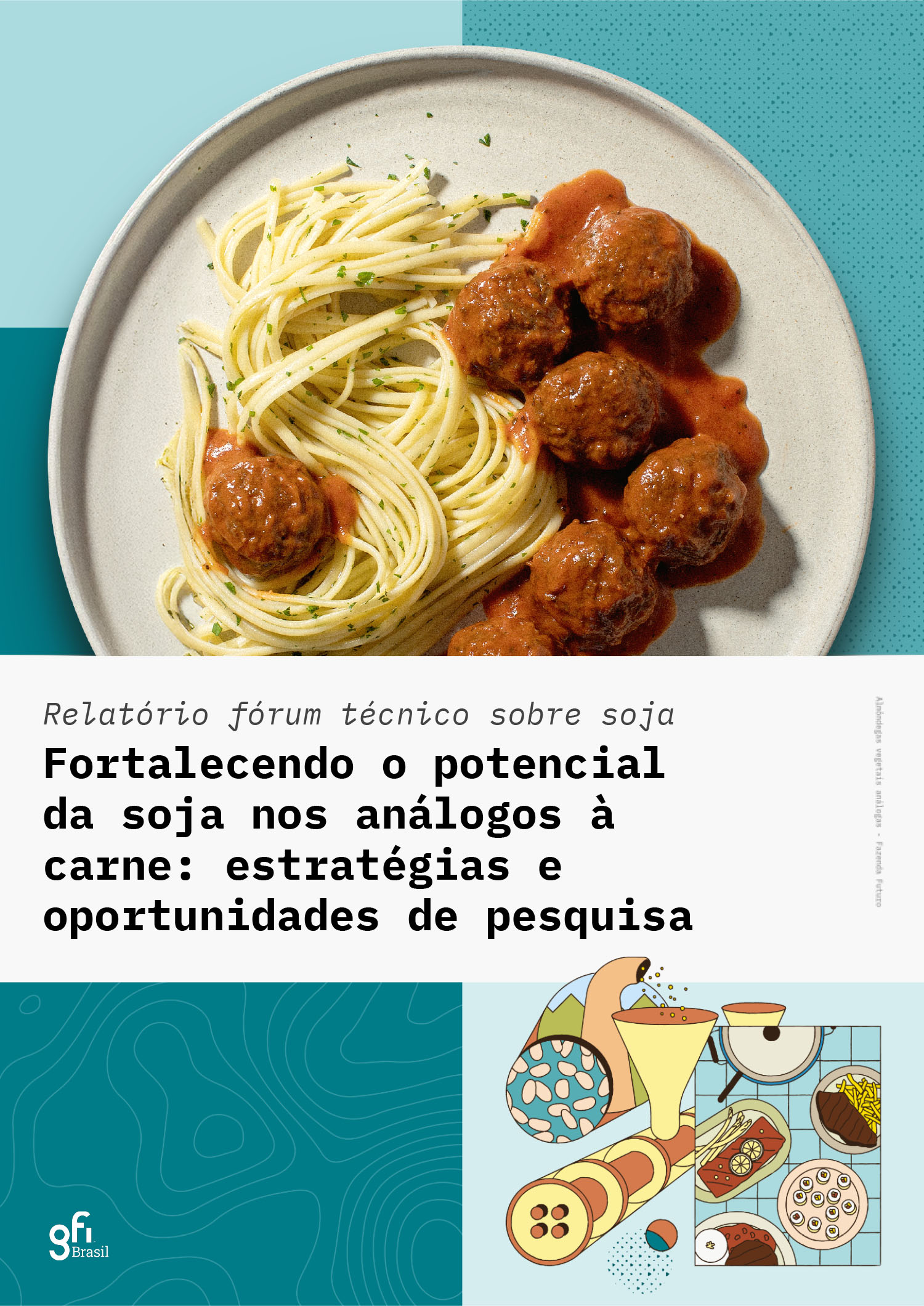
Currently, soy occupies a central position in the development of meat analogues worldwide. In Brazil, more than half of the plant-based products available on the market use soy as the main protein source, according to a Labeling Study conducted in 2023 with 349 products. Its consolidated use in textured, concentrated, and isolated forms makes it one of the most strategic ingredients for the advancement of the sector.
Despite the widespread use of soy in the formulation of meat analogs and its strategic relevance in the alternative protein sector, the soy production chain still faces significant challenges in the context of human nutrition. Although protein ingredients with superior technofunctional and sensory performance already exist, capable of meeting the expectations of texture, juiciness, and flavor of products with greater sensory complexity, these ingredients still present significant cost barriers that limit their widespread adoption. These limitations are directly reflected in the experience and perception of the end consumer. The GFI Brazil Consumer Survey revealed that 41% of Brazilians who do not consume plant-based meat analogs cite price as the main barrier, while 21% mention flavor, 14% texture, and 10% cite concerns related to the use of soy or genetically modified ingredients in general. These data reinforce the need to invest in improvements throughout the soy production chain, from cultivar development and processing to the functionality of ingredients in final formulations.
The results of the Lamp Project , conducted in 2024 by GFI Brazil, reinforced this diagnosis and highlighted that the national industry still depends on importing ingredients with higher functional performance, due to the limited availability of domestic alternatives. Furthermore, experts consulted in the study emphasized the need for better integration between academia and industry, bridging the gap between applied research and its direct industrial applications. According to these same experts, Brazilian soybeans not only have the potential to boost the national plant-based market but also to project it as a global leader, exporting added value through plant-based foods produced from high-performance domestic ingredients, provided that the technological and structural bottlenecks in its value chain are overcome.
To guide future research and development initiatives for this strategic ingredient and foster greater integration between scientific research and market needs, GFI Brazil hosted a Technical Forum on Soy with representatives from academia and the production sector. Based on the contributions of these experts, strategic guidelines and research opportunities were defined to strengthen soy's potential as a key ingredient in the production of meat analogues in Brazil. These guidelines cover the entire production chain, from the development of cultivars with higher protein content and quality, a more complete nutritional profile, and a lower presence of antinutritional compounds, to the final product. Another key focus is the adoption of a consumer-centric approach, focusing on accessibility, convenience, healthiness, and enhancing the image of soy.
Based on this, the following guidelines reflect actions that, together, seek to enhance the use of soy in the formulation of meat analogues with greater sensory appeal, competitive cost, and improved nutritional value, essential elements to drive the transition to alternative proteins in an inclusive and sustainable way.