Until recently, Cultivated meat was only available in two markets: Singapore and the United States. Now a third market has entered the scene: Hong Kong.
Vow, an Australian foodtech startup, following the success of its launch in Singapore , debuted its product made from Japanese quail, becoming the first company to sell farmed meat in Asia's largest financial center.
A gourmet touch with innovation
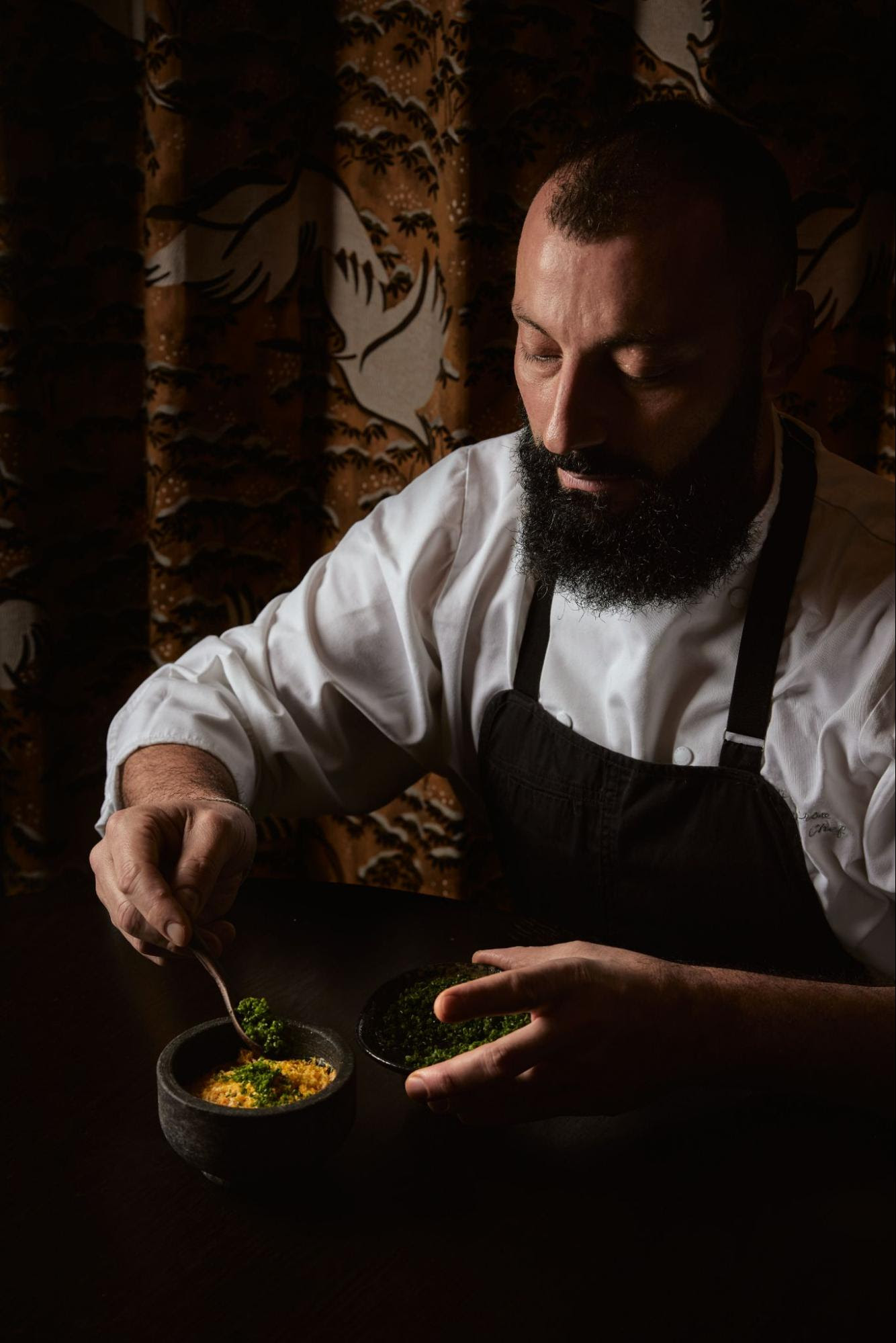
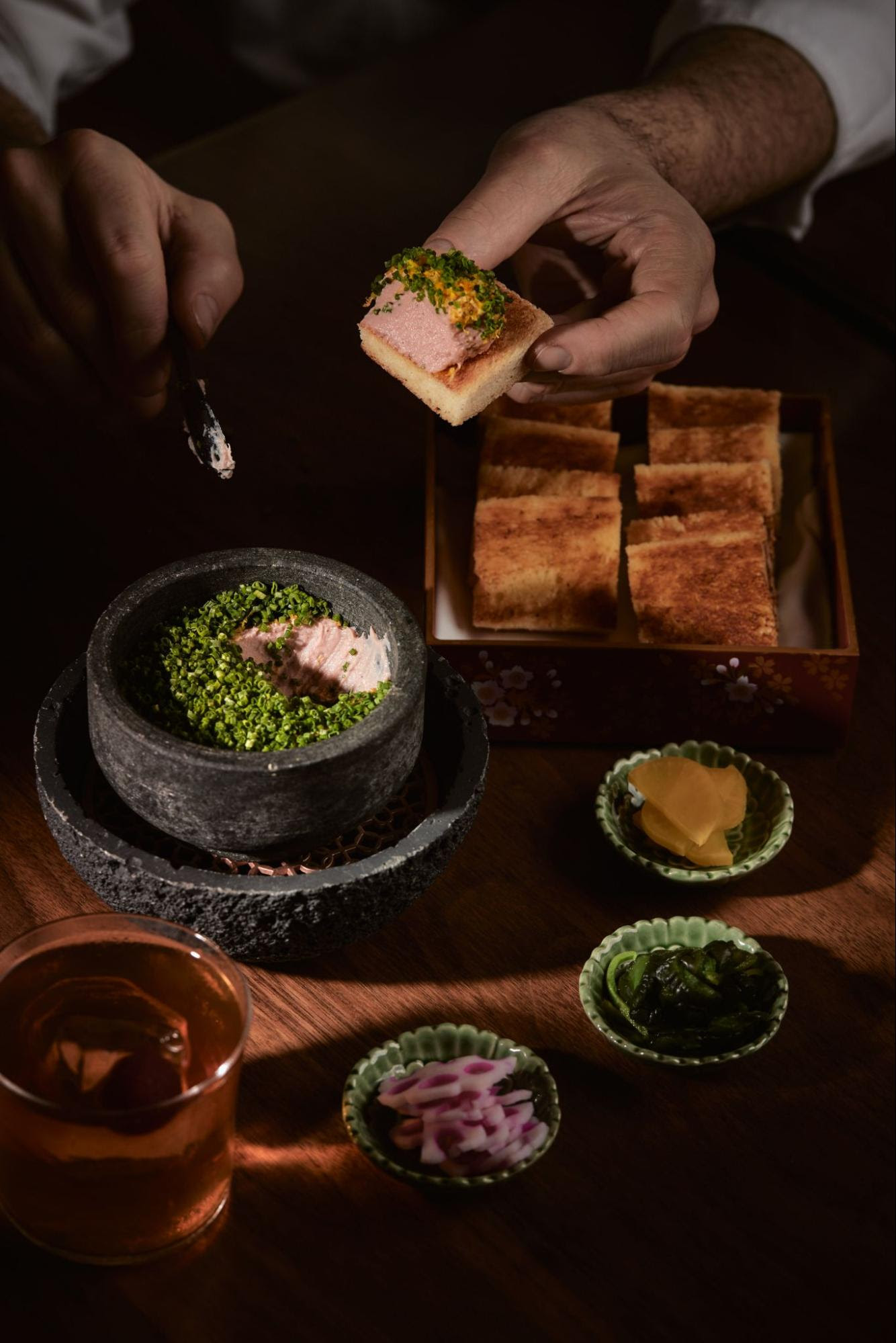
Vow’s farmed quail is part of the company’s premium brand, Forged, which focuses on innovative and refined foods. The first product launched was Forged Parfait, a combination of Japanese quail with garlic, onion, brandy and butter, resulting in a light and creamy pâté. Following regulatory approval in Singapore in March 2024, the dish arrived in Hong Kong and is now available at The Aubrey, an upscale izakaya located in the Mandarin Oriental.
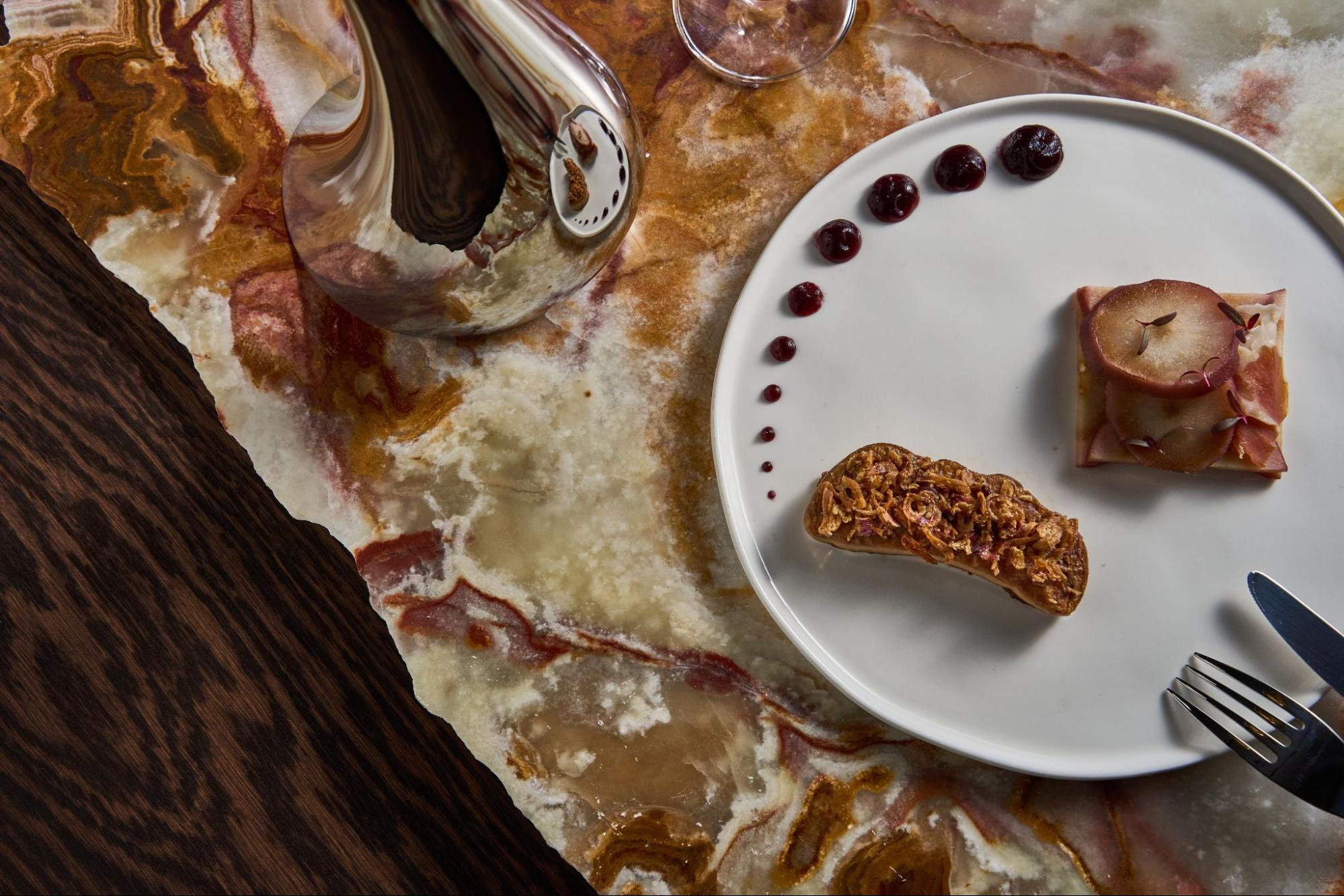
In addition, another Vow product will make its debut in Hong Kong: Forged Gras, inspired by foie gras. According to the company, this dish offers “a rich and satisfying experience”, cementing the sophisticated appeal of its product line.
The initial approval by the Singapore Food Agency was crucial to Vow’s entry into Hong Kong, CEO George Peppou noted. He explained that the validation in Singapore served as a “strategic starting point” to meet the stringent standards of Hong Kong’s Food and Environmental Hygiene Department.
As the first company to market Cultivated meat in multiple Asian markets, Vow's rapid expansion underscores the benefits of regulatory alignment across countries—an objective that GFI APAC has been working to promote. Harmonized regulations help reduce trade barriers, simplify entry into new markets, and lower costs, allowing startups to obtain approvals more quickly.
What about the rest of China?
While the launch in Hong Kong is a milestone, access to the Chinese mainland market is still subject to regulatory approval in Beijing. There is currently no specific process for approving Cultivated meat in mainland China. However, the China National Center for Food Safety Risk Assessment has indicated that it is monitoring international developments and developing a robust regulatory framework for the safety assessment of these products.
Meanwhile, the development of cultivated meat continues at a rapid pace in the rest of the country. In April 2024, Beijing announced the creation of China's first scientific innovation center dedicated to cultivated meat and other alternative protein technologies, backed by an investment of 80 million yuan (about 11 million dollars).
Strategic advances on the continent
During the World Agrifood Innovation Conference, Qiang Fu, deputy head of Beijing’s Pinggu district, reaffirmed his region’s commitment to accelerating the development of alternative proteins. The event also marked the launch of the Beijing Alternative Protein Food Industry Alliance and featured a speech from Bruce Friedrich, founder of GFI.
In August, GFI APAC co-organized the first China-Singapore scientific symposium, bringing together academics, industry representatives, and government officials. During the event, advancements were shared in techniques such as the creation of hybrid products that combine cultured cells with plant proteins and the development of innovative bioreactors that reduce production costs through computational simulations.
Also in August, the Nanjing-based startup Joes Future Food presented cultivated pork to local authorities after receiving public funding to develop industrial-scale manufacturing methods. Similar support is being made available in several provinces through government initiatives.
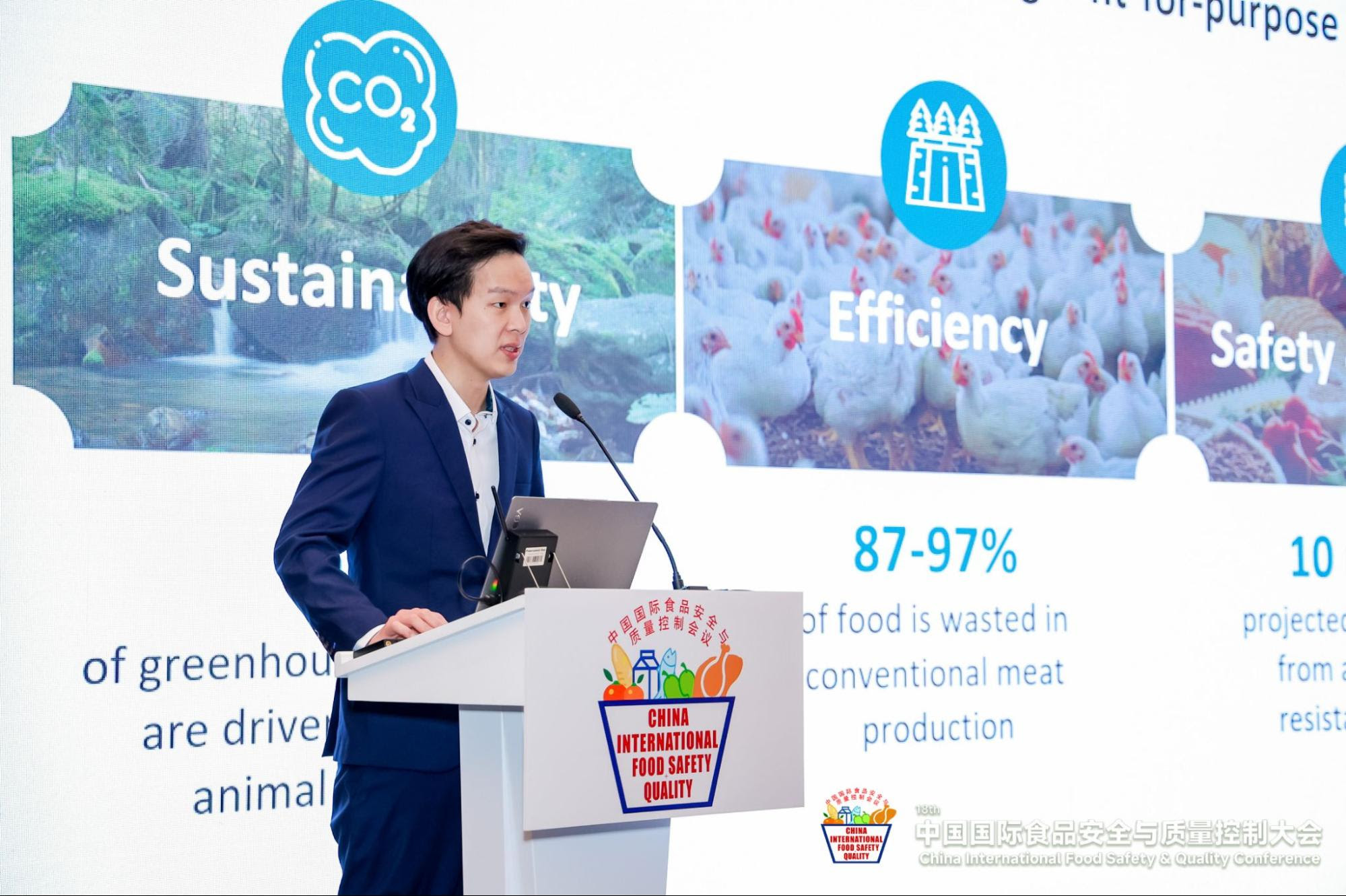
More recently, Samuel Goh, policy manager at GFI APAC, participated in the China International Conference on Food Safety and Quality in Shanghai, where he highlighted Singapore's innovative regulatory framework and explored opportunities to strengthen pan-Asian collaboration.
A look at Beijing
GFI APAC experts highlighted in a recent column in Nature that Cultivated meat could follow a similar growth trajectory to solar power and electric vehicle batteries. However, this will depend on significant government investment to accelerate research and development, as well as increase manufacturing capacity.
China already leads the world in public funding for agricultural research, investing twice as much as the United States and publishing the most academic papers on the subject. Between 2003 and 2013, government investment helped boost grain, dairy, meat and aquaculture production by 20% to 50%. A similar effort in the cultivated meat sector could catalyze a revolution in the global food industry.
The future of Cultivated meat in Asia
The launch of Cultivated meat in Hong Kong is a historic milestone, offering government leaders, business leaders and media a tangible taste of the “food of the future.” The big question is whether it will be the tipping point that attracts new investment in a growing sector.
If China’s track record with emerging technologies is any indication, once Cultivated meat gains traction in Asia’s largest market, transformative changes could happen, gaining momentum exponentially.
Check out our latest releases
18/12/25