
Summary
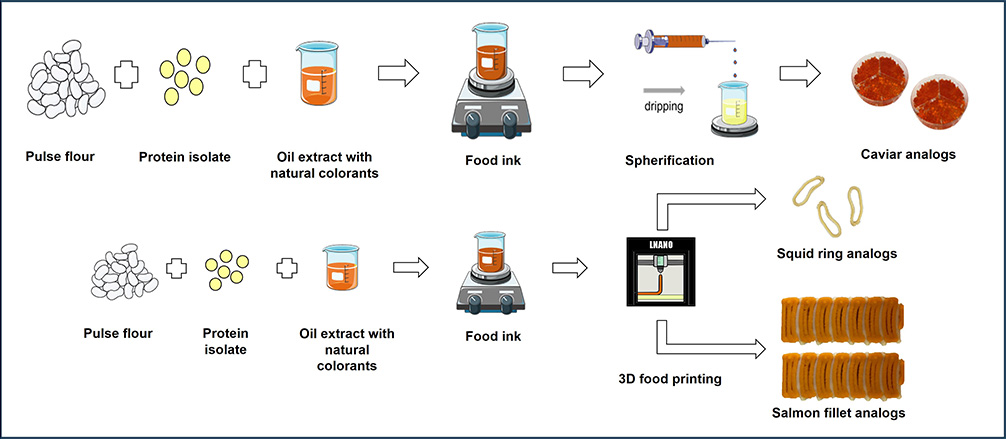
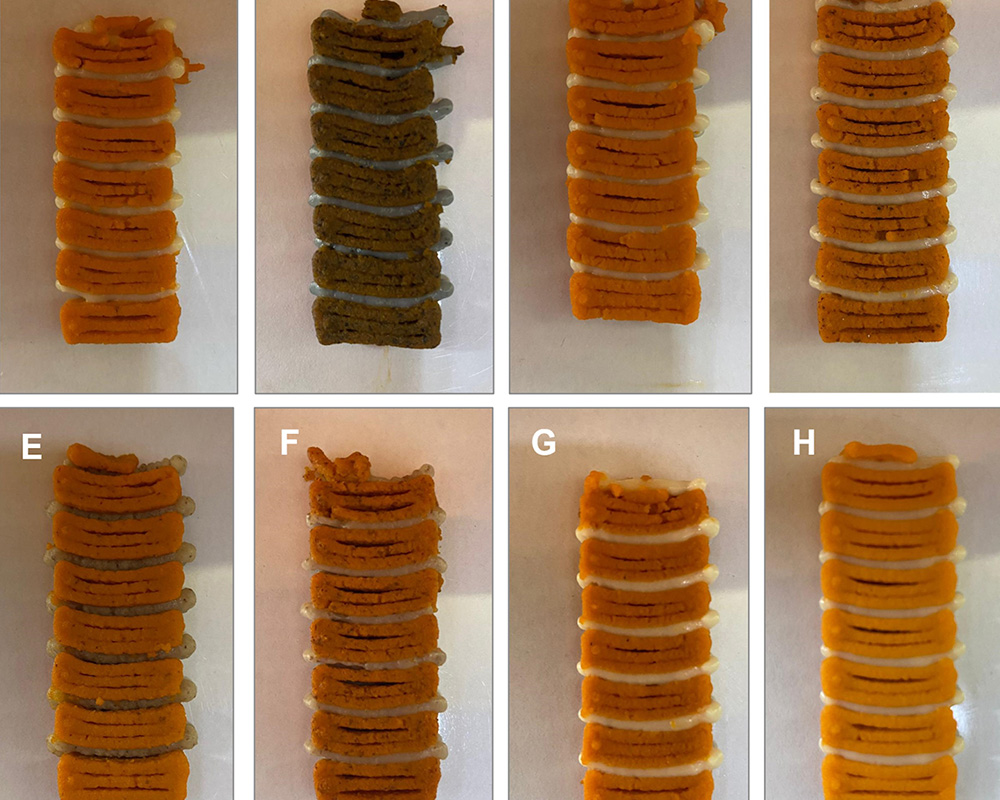
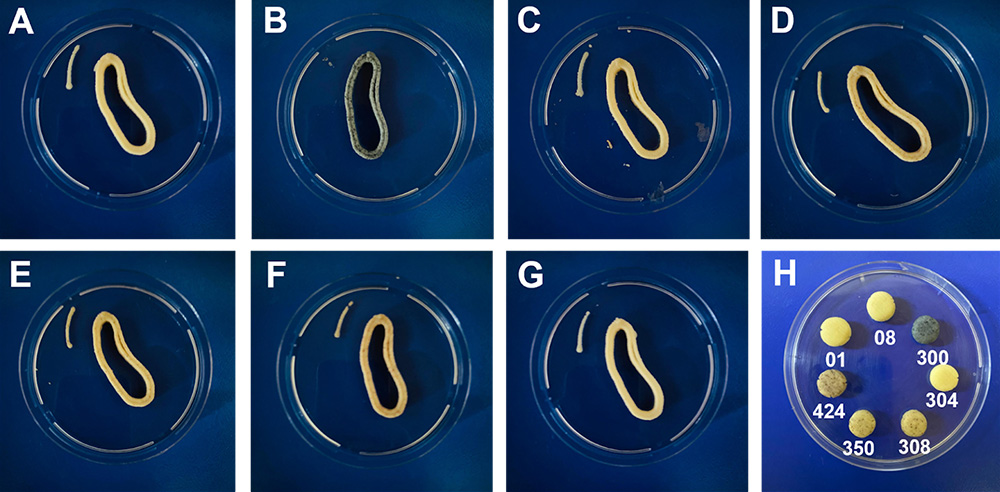
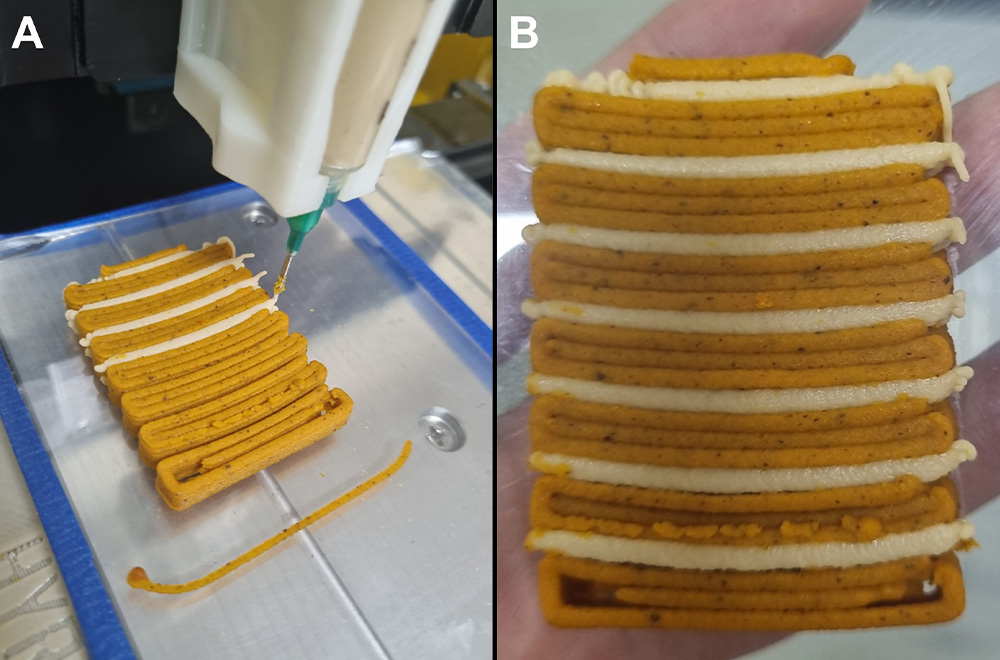
The 3DPuISeaFood project developed plant-based analogues of fish and seafood through 3D printing and pulse-based ingredients. Based on innovative technology, we developed plant-based analogues of salmon fillets, squid rings and caviar with nutritional and sensory characteristics similar to animal-based products. The solution also integrates natural dyes and scalable processes, tested on five printers, to offer alternative protein-based foods.
Proposed solution
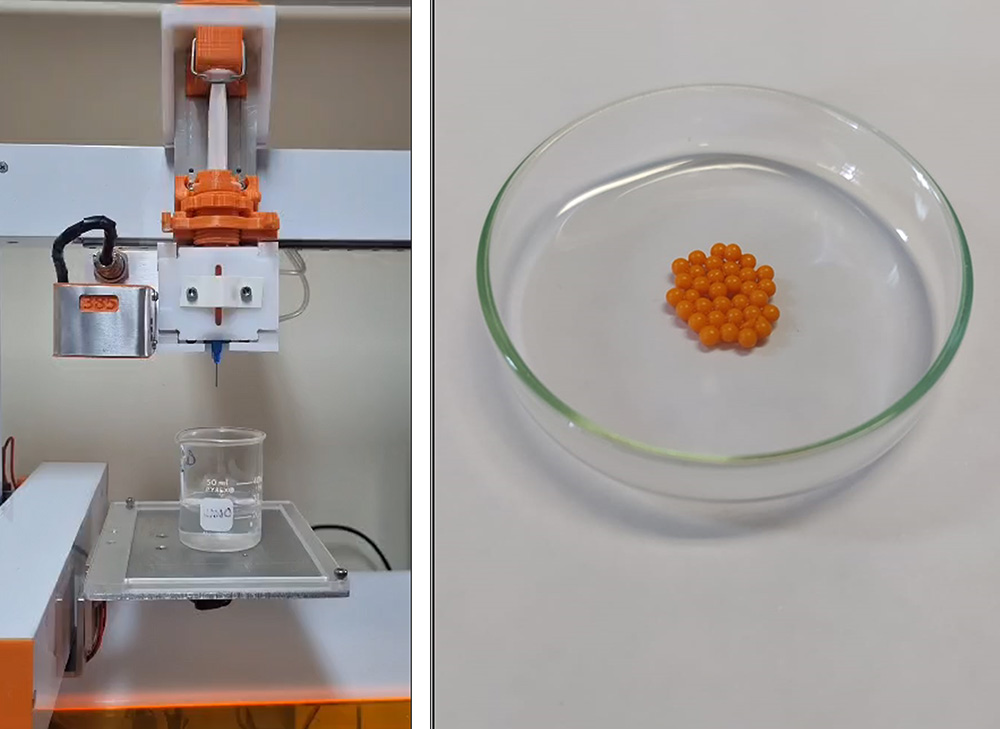
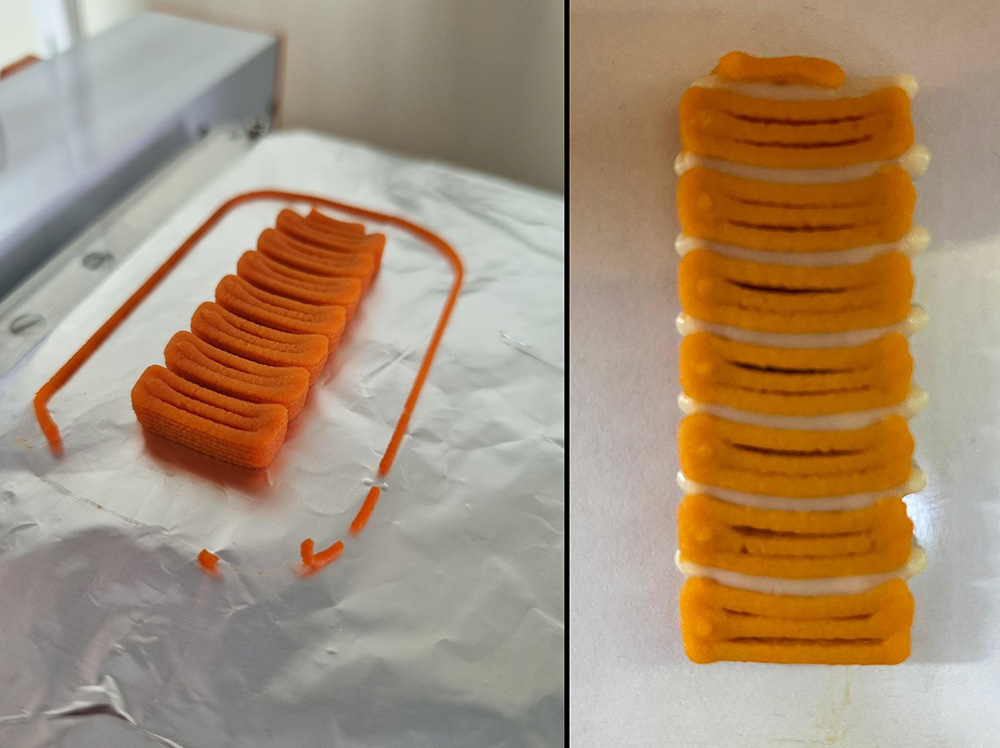
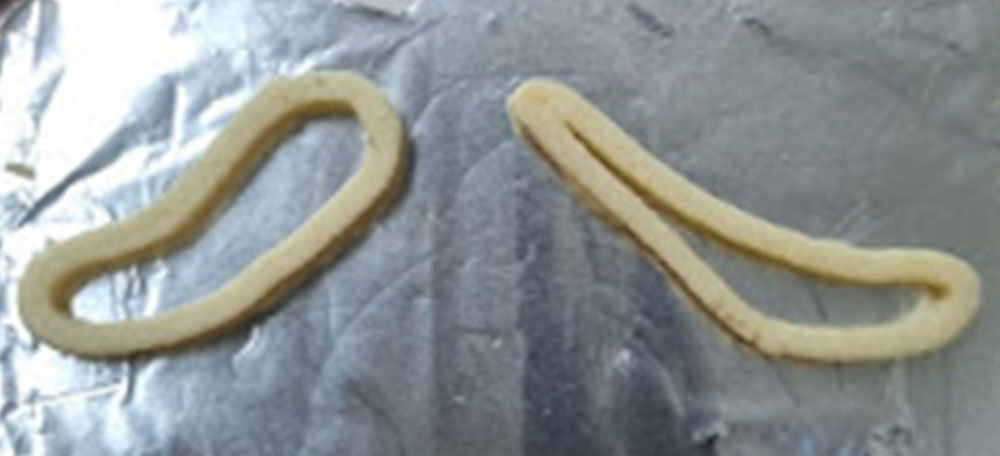
The 3DPuISeaFood project has developed food inks based on pulses and analogues of vegetable fillets of fish (salmon), seafood (squid) and caviar using 3D food printing. The innovative technology contributes positively to the demand for new products based on alternative proteins.
Technological advantage
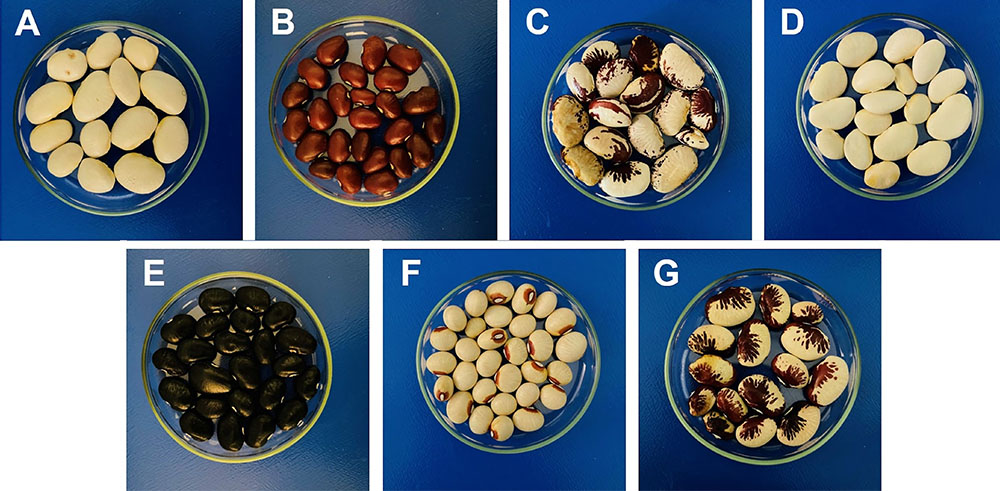
3DPuISeaFood develops plant-based analogues of fish and seafood (salmon, squid rings, caviar) using 3D printing and pulse-based food inks (white beans/fava beans). The technology mimics the sensory aspects and protein content of seafood to produce plant-based foods. With economic viability projected for industrial scale, it uses sustainable ingredients and offers a disruptive solution with global reach for the alternative protein sector.
Technological maturity level – TRL: 4
Next Steps
- Sensory optimization: Refine flavor and texture to increase acceptance.
- Industrial scaling: Validate printing on high-speed, high-volume equipment.
- Cellular hybrids: Integrate cell culture components.
- Portfolio expansion: Develop analogues of other fish and seafood.
Images
Related publications
- Parameterization of the E-value in G-codes for Different Bioprinters. Available at: https://www.researchgate.net/publication/374915188_Parameterization_of_the_E-value_in_G-codes_for_Different_Bioprinters
- Unveiling the Remarkable Antioxidant Activity of Plant-Based Fish and Seafood Analogs through Electrochemical Sensor Analysis. Available at: https://www.mdpi.com/2079-6374/13/7/751
Authors and affiliation
- Dr. Luciano Paulino da Silva (Biologist, Nanotechnologist) – PI. Embrapa Genetic Resources and Biotechnology.
- Dr. Cynthia Caetano Bonatto (Biologist) – Collaborating Researcher (Scholarship Holder). Embrapa Genetic Resources and Biotechnology.
- M.Sc. Gabriela Mendes da Rocha Vaz (Biotechnologist) – Collaborating Researcher (Scholarship Holder). Embrapa Genetic Resources and Biotechnology.
- M.Sc. Victoria Baggi de Mendonça Lauria (Pharmacist). Collaborating Researcher (Scholarship Holder). Embrapa Genetic Resources and Biotechnology
- M.Sc. André Felipe Amaral Câmara (Chemist) – Analyst. Embrapa Genetic Resources and Biotechnology.
- Dr. Gabriella Magarelli (Analytical Chemistry) – Analyst. Embrapa Genetic Resources and Biotechnology.
- Dr. Marcia Mitiko Onoyama Esquiagola (Food Engineer, Industrial Engineering) – Analyst. Embrapa Genetic Resources and Biotechnology.
- M.Sc. (Veterinary). Analyst. Embrapa Genetic Resources and Biotechnology.