
Summary
The baru tree ( Dipteryx alata Vog ), a legume tree native to the Cerrado biome, stands out for its ease of germination and multiple uses, reflecting the cultural identity of the region. Representing the socio-biodiversity of the Cerrado, the baru is important for both food and the local economy, mainly through the sale of its almonds, while its flavorful pulp is underutilized. Our project aims to fully value the fruit, aligning with the Sustainable Development Goals (SDGs), especially SDG 12 on sustainable consumption. To this end, we have partnered with the Sustainable Family Farming Cooperative (COPABASE), which promotes the baru production chain in Minas Gerais, supporting 112 cooperative families and seeking modernization and efficiency. The cooperative, which already operates in various markets and has organic certification, helped shape our project, offering valuable information on the sector's needs and facilitating access to the raw materials necessary for the research.
Proposed solution
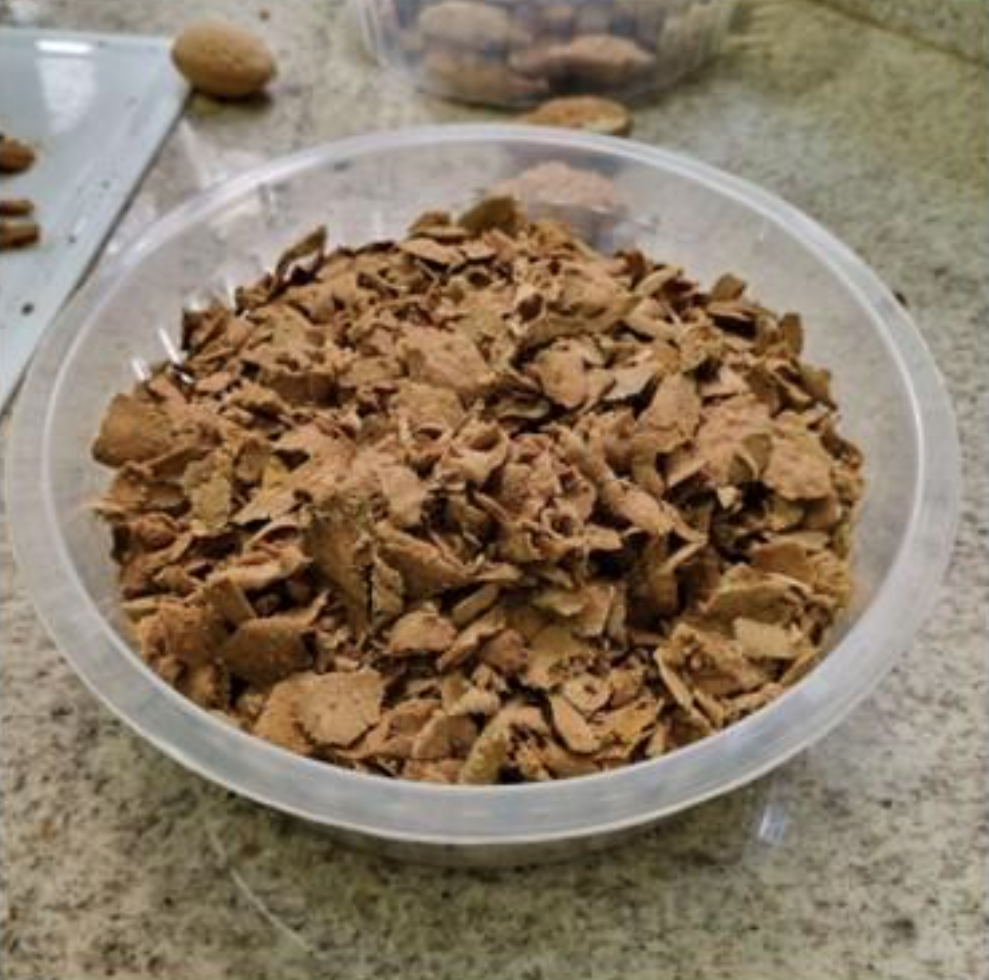
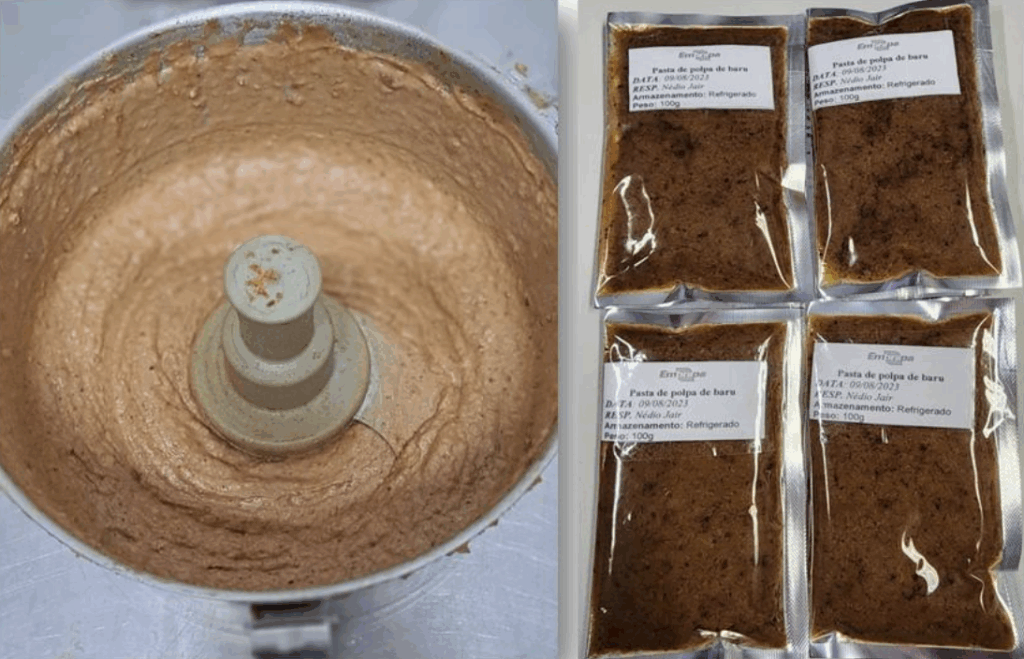
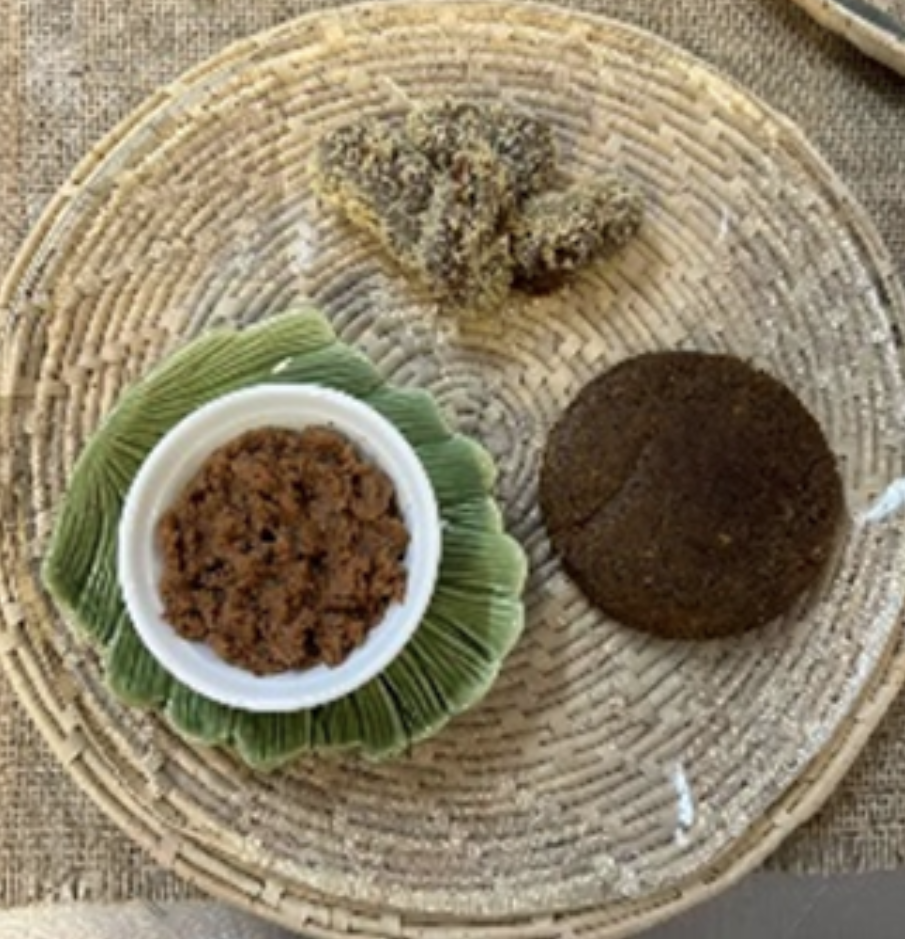
The project incorporated demands from the production sector, the market, and technological and non-technological challenges to define its scope. It applied science, through its team of researchers and laboratory infrastructure, to its execution. In general terms, the research considered the logic “from fruit to product”: from pulp (residue from processing to obtain the almond) to the formulated plant-based product. To achieve this, the following steps were necessary: (a) development of agro-industrial processes to use the pulp; (b) development of ingredients that could be included in formulations of vegetable products similar to meat: a paste and a flour made from baru pulp; and; (c) formulation of prototypes to test the use of these ingredients; and, (d) we included in the research the mapping of the cooperative's governance structure and the technological and non-technological efforts that need to be undertaken for subsequent technological adoption.
Technological advantages
The results of the characterization analyses of these ingredients demonstrated that they are important sources of fiber, minerals and carbohydrates, enriching the formulations. Furthermore, in technological terms, the presence of the ingredients contributed to maintaining the structure of the products, preventing them from becoming brittle during preparation, and also during the mixing of the ingredients, giving greater homogeneity to the final product. The presence of carbohydrates preserved the moisture of the product, maintaining its juiciness and reducing volume losses after preparation for sensory tests. It is worth remembering that final products are not expected to be formulated exclusively with baru pulp, but rather a formulation in which the paste and/or flour are included as components, contributing nutritionally and technologically to the quality of the product for consumption. In addition, there is the bioavailability of the raw material, a residue from the almond extraction process, which reduces acquisition costs.
Technological maturity level – TRL: 4
Next Steps
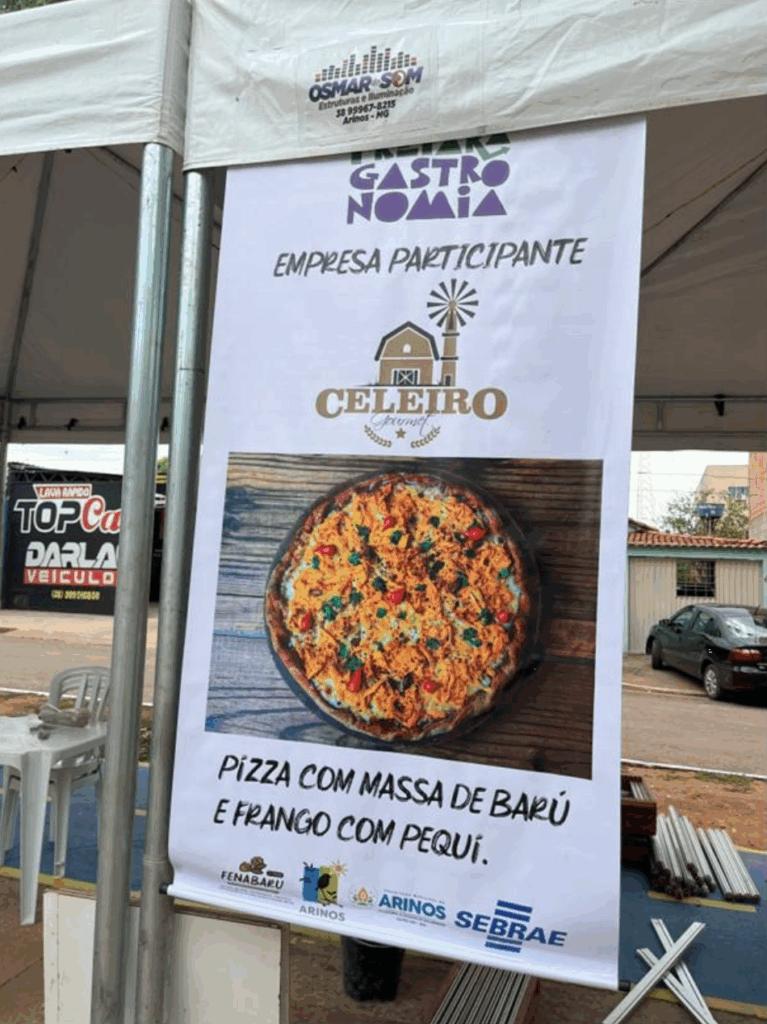
To advance in the adoption of technologies for baru, the production chain faces challenges in processing the fruit. Obtaining the almond requires ergonomic and productive equipment, while using the pulp requires machines to peel and depulp it, since the manual method results in low productivity and contamination. It is crucial to validate processes on a large scale and acquire equipment for dehydration and preservation, in addition to performing microbiological analyses. Testing new uses, such as in baking, can expand the product portfolio, and training in fruit collection will ensure quality for processing.
Images



Related publications
- Baru, from the Brazilian Cerrado to the table: technological and gastronomic potential in plant-based products. Available at: https://proceedings.science/slacan-2023/trabalhos/baru-do-cerrado-brasileiro-a-mesa-potencial-tecnologico-e-gastronomico-em-produt?lang=pt-br
- Baru: drying methods, food paste development and application in plant-based foods. Available at: https://www.alice.cnptia.embrapa.br/alice/bitstream/doc/1158078/1/IX-Encontro-de-pos-graduacao-2023-2.pdf
- Nutritional quality of baru pulp preserved on farm. Available at: https://www.alice.cnptia.embrapa.br/alice/handle/doc/1160766
Authors and affiliation
Renato Manzini Bonfim – Embrapa Food and Territories