
Summary
Using peanut meal, an abundant and low-cost byproduct, the project developed a functional protein ingredient through fermentation, with reduced allergens (95%) and aflatoxins (>50%), increased protein and improved functionality. Pilot production validated the technical and economic viability. With a natural smoked flavor and high oil retention, the ingredient replaces 100% of pea protein and up to 30% of soy protein in meat analogue formulations.
Proposed solution
Fermenting peanut meal has yielded a more nutritious protein ingredient with a flavor similar to meat products and without the off-flavors typical of vegetable concentrates. This solution overcomes sensory and nutritional barriers, expanding the use of peanut meal in the alternative protein industry.
Technological advantage
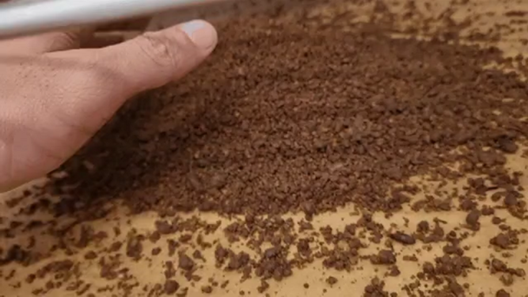
Peanut meal fermentation produced a functional protein ingredient with reduced antinutritional factors, an attractive sensory profile, and technical and economic viability. Its main technological advantage is that it combines functional performance and flavor with low cost and scalability. The ingredient can be applied to meat analogues as a total substitute for pea protein and partial substitute for soy protein, overcoming flavor barriers and promoting the diversification of protein sources.
Technological maturity level – TRL: 5
Next Steps
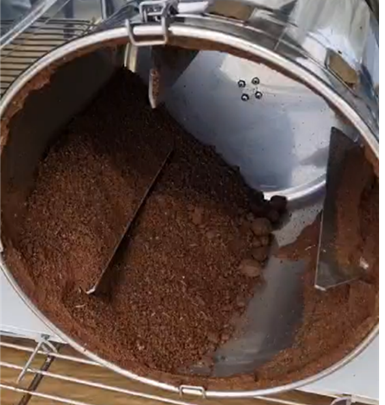
Next steps include optimizing the ingredient drying process in the rotary drum, validating extrusion on a continuous scale, and characterizing the meat analogues produced. Future studies should focus on formulations, sensory evaluation, and storage stability.
Image/photo
Authors and affiliation
- Paula Speranza – ProVerde Sustainable Processes
- Beatriz Thie Iamanaka – Institute of Food Technology (Ital)
- Ana Carla Kawazoe Sato – FEA/Unicamp
- Douglas Fernandes Barbin – FEA/Unicamp
- Louise Emy Kurozawa – FEA/Unicamp
- scholarship holders: Emerson R. Machi Gomes; Adriana Raquel Persson da Silva, Augusto Endo; Newton Yamazato and Vitória Dionísio.